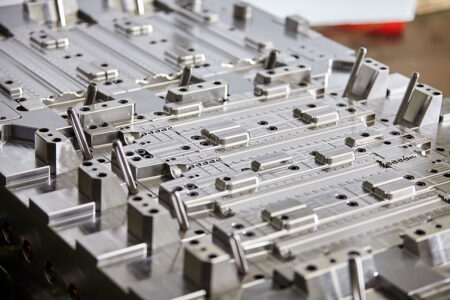
Rapid Prototyping Injection Moulding: Accelerating Product Development from Concept to Production
In today’s competitive manufacturing landscape, companies need faster product development cycles, higher precision, and cost-efficient production solutions. Rapid prototyping injection moulding has become an essential technology that allows manufacturers to move from concept to market-ready products in a much shorter time.
For industries such as automotive, electronics, medical devices, and consumer products, rapid prototyping combined with injection moulding provides a reliable way to validate product designs, test functionality, and prepare for mass production.
This article explores how rapid prototyping injection moulding works, its advantages, and why many companies rely on professional plastic injection mold manufacturers to support their product development.
What is Rapid Prototyping Injection Moulding?
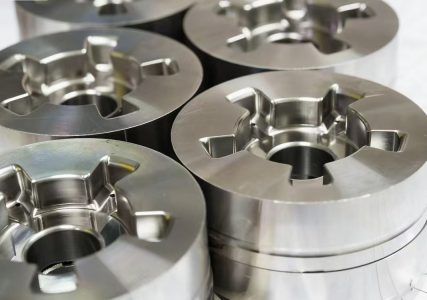
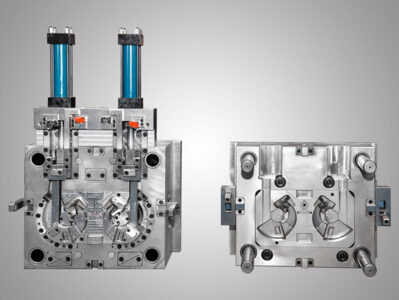
Rapid prototyping injection moulding is a manufacturing process that combines rapid prototyping technologies with plastic injection moulding to create functional plastic parts quickly. Instead of waiting for traditional steel tooling, manufacturers use rapid tooling techniques—often aluminum molds—to produce prototypes and small production runs in a shorter timeframe.
This process enables engineers and designers to test the form, fit, and function of parts before investing in full-scale production tooling. According to manufacturing industry sources, rapid injection molding can dramatically reduce development lead time and allow prototypes to be produced in days rather than weeks.
By using the same materials and manufacturing principles as production injection molding, the prototypes produced are much closer to final production parts than those made with other prototyping methods.
How Rapid Injection Molding Works
The rapid injection moulding process generally includes the following steps:
1. Product Design and Engineering
Engineers first create a 3D CAD model of the product. During this stage, designers optimize wall thickness, draft angles, and material selection to ensure the part can be manufactured efficiently.
2. Rapid Tooling Development
Instead of traditional hardened steel molds, rapid tooling often uses aluminum molds or simplified tooling structures. These molds can be manufactured quickly and modified easily during development.
3. Injection Molding Process
Plastic resin is heated and injected into the mold cavity under pressure. After cooling, the solidified part is ejected from the mold. This process allows manufacturers to produce high-quality plastic parts with excellent consistency.
4. Testing and Design Iteration
Once prototypes are produced, engineers test the parts in real-world conditions. If improvements are needed, design modifications can be implemented quickly, and new prototype parts can be produced.
Advantages of Rapid Prototyping Injection Moulding
Rapid prototyping injection moulding offers several advantages for manufacturers looking to accelerate product development.
1. Faster Time to Market
One of the biggest advantages of rapid injection moulding is its ability to reduce development lead time. Rapid tooling and simplified processes allow manufacturers to produce prototypes much faster than traditional tooling methods.
This enables companies to bring products to market earlier and gain a competitive advantage.
2. Cost-Effective Development
Developing traditional steel molds can be expensive, especially during early product development. Rapid tooling significantly reduces the initial investment required for mold production.
This makes it ideal for:
-
Product testing
-
Design verification
-
Low-volume production
-
Bridge manufacturing
3. Functional Prototypes Using Real Materials
Unlike many other prototyping methods, injection moulding prototypes are produced using production-grade thermoplastic materials. This allows engineers to test product performance under realistic conditions.
As a result, manufacturers can identify potential design flaws early and avoid costly modifications during mass production.
4. Design Flexibility
Rapid prototyping allows engineers to make design changes quickly. Because the molds are simpler and easier to modify, multiple iterations can be tested during the product development process.
This flexibility significantly improves product design and functionality.
5. Reduced Material Waste
Injection molding is a highly efficient manufacturing method because it injects only the required amount of plastic material into the mold cavity. This minimizes waste and reduces overall production costs.
Applications of Rapid Prototyping Injection Moulding
Rapid injection moulding is widely used across multiple industries that require high precision plastic components.
Automotive Industry
Manufacturers use rapid prototyping to produce components such as interior parts, brackets, and connectors for testing and validation.
Consumer Electronics
Rapid injection molding is ideal for producing enclosures, housings, and functional components for electronic devices.
Medical Devices
Medical manufacturers rely on rapid prototyping to develop precision components that must meet strict performance and regulatory standards.
Industrial Equipment
Prototype injection molding helps engineers evaluate mechanical parts and improve product reliability before mass production.
Rapid Prototyping vs Traditional Injection Moulding
| Feature | Rapid Injection Moulding | Traditional Injection Moulding |
|---|---|---|
| Tooling Material | Aluminum or soft steel | Hardened steel |
| Lead Time | Days to weeks | Several weeks to months |
| Production Volume | Low to medium | Medium to high |
| Cost | Lower initial investment | Higher tooling cost |
| Design Flexibility | Easy modifications | Limited modifications |
Both methods have their advantages, but rapid injection moulding is particularly suitable during product development and early production stages.
Choosing the Right Plastic Injection Mold Manufacturer
Selecting an experienced plastic injection mold manufacturer is crucial for successful product development.
A reliable manufacturer should offer:
-
Professional mold design capabilities
-
Advanced CNC machining equipment
-
High-precision injection molding machines
-
Strict quality control processes
-
Experience with international customers
Working with an experienced manufacturer ensures that prototypes and production molds meet strict quality standards and deliver consistent results.
From Prototype to Mass Production
One of the greatest advantages of rapid prototyping injection moulding is its ability to support the entire product lifecycle—from initial concept to large-scale manufacturing.
Once the prototype is validated, the manufacturer can optimize the mold design and transition to full production molds. This seamless transition helps reduce production risks and ensures a smooth manufacturing process.
Conclusion
Rapid prototyping injection moulding plays a vital role in modern product development. By combining the speed of rapid tooling with the precision of injection molding, manufacturers can create functional prototypes quickly and efficiently.
This technology allows companies to test designs, improve product performance, and reduce development risks before committing to large-scale production.
For businesses looking to accelerate innovation and reduce time to market, partnering with an experienced plastic injection mold manufacturer for rapid prototyping and injection moulding services is a smart and strategic choice.