
Precision Metal Processing Guide 2025 | Technologies & Applications
In the world of high-stakes manufacturing, where excellence is measured in microns, Precision Metal Processing is the undisputed engine of innovation. It is an advanced discipline that utilizes controlled, often automated techniques to fabricate metal components with exceptional dimensional accuracy, superior surface finishes, and complex geometries. This definitive guide for 2025 will explore what Precision Metal Processing entails, the technologies defining its future, and crucially, how to select a partner that turns your exact specifications into flawless reality.
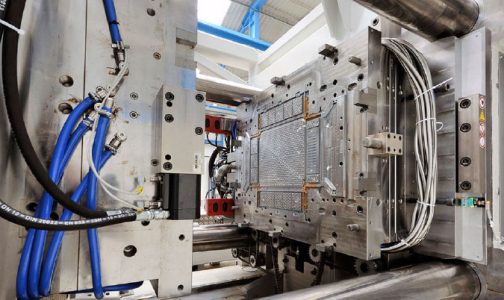
Core Concept: What Exactly is Precision Metal Processing?
Unlike conventional machining, Precision Metal Processing is defined by a trifecta of uncompromising principles: Accuracy, Repeatability, and Control. It is a comprehensive approach that governs every stage—from digital design and material selection to cutting and final verification—ensuring each part is not just made, but masterfully engineered to meet exacting standards. This process is fundamental for industries where performance, safety, and reliability cannot be compromised.
Key Technologies Driving Precision Metal Processing in 2025
The capabilities of modern Precision Metal Processing are fueled by a suite of sophisticated technologies. Here are the pillars of this advanced manufacturing field:
- Advanced CNC Machining: The cornerstone of precision. Multi-axis CNC (Computer Numerical Control) centers, especially 5-axis machines, allow for the automated, highly accurate sculpting of metal from a solid block. This enables the production of complex shapes in a single setup, critical for efficiency and maintaining tight tolerances.
- Electrical Discharge Machining (EDM): For materials too hard for traditional cutters or designs requiring intricate details and sharp internal corners, EDM uses controlled electrical sparks to erode material with astonishing precision.
- Laser Cutting & Engraving: Offering high speed and exceptional accuracy for sheet metal, laser systems deliver clean, burr-free cuts. They are also indispensable for precision marking and engraving serial numbers or logos.
- Sophisticated Metrology & QA: Precision is meaningless without verification. Tools like Coordinate Measuring Machines (CMM), 3D laser scanners, and optical comparators provide micron-level inspection, guaranteeing every component matches its digital blueprint perfectly.
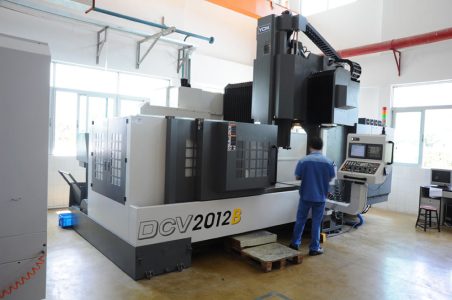
Precision Metal Processing
Industry Applications: Where Precision Metal Processing is Non-Negotiable
The demand for Precision Metal Processing spans sectors where there is zero tolerance for failure.
- Automotive & Aerospace: From fuel injectors and transmission components to critical aircraft engine parts, precision metal processing ensures optimal performance, weight reduction, and absolute safety under extreme operational stresses.
- Medical & Life Sciences: The manufacture of surgical instruments, orthopedic implants, and diagnostic device housings requires biocompatible materials machined to sterile, flawless finishes. This field exemplifies the life-or-death importance of precision.
- Electronics & Telecommunications: The drive for miniaturization demands meticulously machined heat sinks, connectors, and enclosures that enable the powerful, compact devices we rely on daily.
Why Huazhi Mold is Your Strategic Partner for Precision Metal Processing
Choosing a vendor for your precision metal processing needs is more than a transaction; it’s forming a technical alliance for success. At Huazhi Mold, our expertise in designing and manufacturing high-performance injection molds provides a unique foundation for precision metal component production. We understand that true precision stems from an integrated approach:
- Deep Engineering Collaboration: We provide proactive Design for Manufacturability (DFM) feedback, optimizing your part for efficiency, cost, and performance from the very first sketch.
- Material Science Mastery: Our experience with diverse alloys allows us to predict and control material behavior during machining, preventing issues like thermal distortion and ensuring perfect final properties.
- End-to-End Quality Culture: Quality is not an inspection step; it’s a process embedded at every stage. Our rigorous protocol ensures full traceability and delivers the peace of mind your project deserves.
- Commitment to Technological Advancement: We continuously invest in the latest Precision Metal Processing equipment and software, ensuring we can meet the evolving challenges of 2025 and beyond.
The Future Outlook: Precision Metal Processing Trends for 2025 and Beyond
The landscape of Precision Metal Processing is rapidly evolving. Key trends shaping its future include:
- AI & Machine Learning Integration: For predictive maintenance, real-time process optimization, and minimizing waste.
- Hybrid Manufacturing: Combining additive (3D printing) and subtractive (CNC machining) methods to create previously impossible geometries with high precision.
- Sustainable & Lean Practices: An increased focus on reducing material waste and energy consumption through smarter programming and process design.
Partnering with a forward-thinking company like Huazhi Mold ensures you leverage these trends for a competitive edge.
Conclusion: Elevate Your Product with Masterful Precision
In summary, Precision Metal Processing is the critical link between innovative design and market-leading performance. It transforms complex concepts into reliable, high-functioning components. As tolerances tighten and designs grow more ambitious, your choice of manufacturing partner becomes your most significant strategic advantage.
FAQ (Frequently Asked Questions)
Q1: What tolerance levels can I expect from Precision Metal Processing?
A: Capabilities vary by part size and geometry, but a proficient Precision Metal Processing partner like Huazhi Mold can routinely hold tolerances within ±0.01mm to ±0.025mm (±0.0004″ to ±0.001″) for many features, with even tighter tolerances achievable for critical dimensions.
Q2: Which materials are best suited for high-precision machining?
A: A wide range is suitable. Common choices include aluminum (for lightweight strength), various grades of stainless steel (like 303, 304, 316 for corrosion resistance), titanium (for high strength-to-weight ratio), brass, and tool steels. The optimal choice depends on your application’s mechanical, thermal, and environmental requirements.
Q3: How do I prepare my design files for a precision machining quote?
A: To ensure an accurate and speedy quotation, please provide a 3D CAD model in a universal format (STEP or IGES preferred) along with a detailed 2D drawing (PDF) specifying critical dimensions, tolerances (GD&T if applicable), material, and surface finish callouts.
Q4: Why should I consider Huazhi Mold for my precision metal parts, not just molds?
A: Our core business in high-precision injection mold manufacturing has instilled in us a fundamental mastery of tight tolerances, complex geometries, and meticulous quality control—all of which translate directly to excellence in Precision Metal Processing. We apply the same rigorous engineering mindset to your metal components. Explore our capabilities and case studies to see how we bridge mold expertise to part perfection.
Your vision demands precision. Our process delivers it. Contact the Huazhi Mold engineering team today for a confidential project review. Let’s discuss how our expertise in Precision Metal Processing can bring your most challenging designs to life with unmatched accuracy and reliability.
.
In the world of high-stakes manufacturing, where excellence is measured in microns, Precision Metal Processing is the undisputed engine of innovation. It is an advanced discipline that utilizes controlled, often automated techniques to fabricate metal components with exceptional dimensional accuracy, superior surface finishes, and complex geometries. This definitive guide for 2025 will explore what Precision Metal Processing entails, the technologies defining its future, and crucially, how to select a partner that turns your exact specifications into flawless reality.
Core Concept: What Exactly is Precision Metal Processing?
Unlike conventional machining, Precision Metal Processing is defined by a trifecta of uncompromising principles: Accuracy, Repeatability, and Control. It is a comprehensive approach that governs every stage—from digital design and material selection to cutting and final verification—ensuring each part is not just made, but masterfully engineered to meet exacting standards. This process is fundamental for industries where performance, safety, and reliability cannot be compromised.
Key Technologies Driving Precision Metal Processing in 2025
The capabilities of modern Precision Metal Processing are fueled by a suite of sophisticated technologies. Here are the pillars of this advanced manufacturing field:
- Advanced CNC Machining: The cornerstone of precision. Multi-axis CNC (Computer Numerical Control) centers, especially 5-axis machines, allow for the automated, highly accurate sculpting of metal from a solid block. This enables the production of complex shapes in a single setup, critical for efficiency and maintaining tight tolerances.
- Electrical Discharge Machining (EDM): For materials too hard for traditional cutters or designs requiring intricate details and sharp internal corners, EDM uses controlled electrical sparks to erode material with astonishing precision.
- Laser Cutting & Engraving: Offering high speed and exceptional accuracy for sheet metal, laser systems deliver clean, burr-free cuts. They are also indispensable for precision marking and engraving serial numbers or logos.
- Sophisticated Metrology & QA: Precision is meaningless without verification. Tools like Coordinate Measuring Machines (CMM), 3D laser scanners, and optical comparators provide micron-level inspection, guaranteeing every component matches its digital blueprint perfectly.
Industry Applications: Where Precision Metal Processing is Non-Negotiable
The demand for Precision Metal Processing spans sectors where there is zero tolerance for failure.
- Automotive & Aerospace: From fuel injectors and transmission components to critical aircraft engine parts, precision metal processing ensures optimal performance, weight reduction, and absolute safety under extreme operational stresses.
- Medical & Life Sciences: The manufacture of surgical instruments, orthopedic implants, and diagnostic device housings requires biocompatible materials machined to sterile, flawless finishes. This field exemplifies the life-or-death importance of precision.
- Electronics & Telecommunications: The drive for miniaturization demands meticulously machined heat sinks, connectors, and enclosures that enable the powerful, compact devices we rely on daily.
Why Huazhi Mold is Your Strategic Partner for Precision Metal Processing
Choosing a vendor for your precision metal processing needs is more than a transaction; it’s forming a technical alliance for success. At Huazhi Mold, our expertise in designing and manufacturing high-performance injection molds provides a unique foundation for precision metal component production. We understand that true precision stems from an integrated approach:
- Deep Engineering Collaboration: We provide proactive Design for Manufacturability (DFM) feedback, optimizing your part for efficiency, cost, and performance from the very first sketch.
- Material Science Mastery: Our experience with diverse alloys allows us to predict and control material behavior during machining, preventing issues like thermal distortion and ensuring perfect final properties.
- End-to-End Quality Culture: Quality is not an inspection step; it’s a process embedded at every stage. Our rigorous protocol ensures full traceability and delivers the peace of mind your project deserves.
- Commitment to Technological Advancement: We continuously invest in the latest Precision Metal Processing equipment and software, ensuring we can meet the evolving challenges of 2025 and beyond.
The Future Outlook: Precision Metal Processing Trends for 2025 and Beyond
The landscape of Precision Metal Processing is rapidly evolving. Key trends shaping its future include:
- AI & Machine Learning Integration: For predictive maintenance, real-time process optimization, and minimizing waste.
- Hybrid Manufacturing: Combining additive (3D printing) and subtractive (CNC machining) methods to create previously impossible geometries with high precision.
- Sustainable & Lean Practices: An increased focus on reducing material waste and energy consumption through smarter programming and process design.
Partnering with a forward-thinking company like Huazhi Mold ensures you leverage these trends for a competitive edge.
Conclusion: Elevate Your Product with Masterful Precision
In summary, Precision Metal Processing is the critical link between innovative design and market-leading performance. It transforms complex concepts into reliable, high-functioning components. As tolerances tighten and designs grow more ambitious, your choice of manufacturing partner becomes your most significant strategic advantage.
FAQ (Frequently Asked Questions)
Q1: What tolerance levels can I expect from Precision Metal Processing?
A: Capabilities vary by part size and geometry, but a proficient Precision Metal Processing partner like Huazhi Mold can routinely hold tolerances within ±0.01mm to ±0.025mm (±0.0004″ to ±0.001″) for many features, with even tighter tolerances achievable for critical dimensions.
Q2: Which materials are best suited for high-precision machining?
A: A wide range is suitable. Common choices include aluminum (for lightweight strength), various grades of stainless steel (like 303, 304, 316 for corrosion resistance), titanium (for high strength-to-weight ratio), brass, and tool steels. The optimal choice depends on your application’s mechanical, thermal, and environmental requirements.
Q3: How do I prepare my design files for a precision machining quote?
A: To ensure an accurate and speedy quotation, please provide a 3D CAD model in a universal format (STEP or IGES preferred) along with a detailed 2D drawing (PDF) specifying critical dimensions, tolerances (GD&T if applicable), material, and surface finish callouts.
Q4: Why should I consider Huazhi Mold for my precision metal parts, not just molds?
A: Our core business in high-precision injection mold manufacturing has instilled in us a fundamental mastery of tight tolerances, complex geometries, and meticulous quality control—all of which translate directly to excellence in Precision Metal Processing. We apply the same rigorous engineering mindset to your metal components. Explore our capabilities and case studies to see how we bridge mold expertise to part perfection.
Your vision demands precision. Our process delivers it. Contact the Huazhi Mold engineering team today for a confidential project review. Let’s discuss how our expertise in Precision Metal Processing can bring your most challenging designs to life with unmatched accuracy and reliability