What is Precision Metal Processing? A Complete Guide to 2026
In the rapidly evolving landscape of modern manufacturing, advanced metal shaping and finishing stands as one of the most critical and transformative technologies driving industrial progress. As global industries shift toward higher efficiency, tighter tolerances, smarter production, and greater sustainability, understanding high-precision metalwork has become essential for engineers, project managers, procurement specialists, and manufacturing leaders alike. This complete guide explains the fundamentals, technologies, applications, quality control, and future trends of precision metal processing in 2026, helping you make informed decisions for your production projects.
1. What Is Precision Metal Processing? Definition & Core Principles
1.1 Basic Definition of Precision Metal Processing
Precision Metal Processing
Precision Metal Processing refers to a set of advanced manufacturing techniques that shape, cut, form, and finish metal materials with extremely high dimensional accuracy, tight geometric tolerances, and superior surface quality. Unlike conventional metalworking, which often focuses on general shaping and structural forming, this specialized approach emphasizes controllability, repeatability, and micron-level precision throughout every production stage. It combines high-performance machinery, digital programming, precise tooling, and strict quality management to produce components that meet rigorous industrial standards.
In 2026, this advanced manufacturing method is no longer limited to small, high-value parts but covers a full spectrum of components used in automotive, medical devices, home appliances, aerospace, electronics, and automation equipment. The core goal remains consistent: to manufacture metal parts that fit perfectly, function reliably, and perform consistently in real‑world applications.
1.2 Core Characteristics That Define Precision Metal Processing
Several key characteristics distinguish Precision Metal Processing from standard metalworking:
Micron‑level accuracy: Typical tolerances range from ±0.001 mm to ±0.05 mm, ensuring parts fit and function as designed.
High surface quality: Smooth finishes, minimal burrs, and consistent roughness values to reduce friction, improve sealing, and enhance appearance.
Excellent repeatability: Mass production with consistent dimensions, avoiding deviations that cause assembly failures.
Complex geometry capability: Processing of intricate shapes, deep cavities, thin walls, and micro‑features that traditional methods cannot achieve.
Material versatility: Compatibility with steel, aluminum, copper, brass, titanium, and special alloys used in high-performance industries.
These features make specialized metal manufacturing indispensable for modern high‑tech manufacturing.
2. Key Technologies & Processes in Precision Metal Processing (2026 Update)
2.1 CNC Machining: The Backbone of Precision Metal Processing
CNC (Computer Numerical Control) machining remains the foundation of Precision Metal Processing. In 2026, 3‑axis, 4‑axis, and 5‑axis machining centers are widely used, with intelligent systems that automatically adjust cutting parameters, monitor tool wear, and compensate for thermal expansion.
Precision turning: Creates cylindrical parts with perfect roundness and concentricity.
Precision milling: Machines complex 3D contours, slots, and cavities.
High‑speed cutting: Improves efficiency while maintaining accuracy and surface finish.
CNC machining delivers exceptional flexibility and precision, making it ideal for prototypes, small batches, and high-volume precision components. For more information about customized mold solutions that support these processes, visit Huazhi Mould Customized Injection Molding.
Precision Metal Processing
2.2 Precision Molding & Die Casting
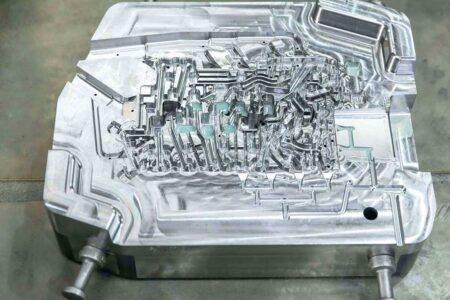
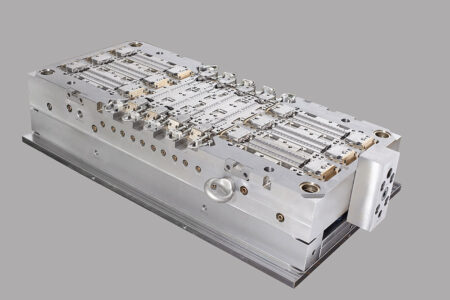
For high-volume production, Precision Metal Processing integrates advanced mold technologies. Precision injection molds, die-casting molds, and stamping dies ensure consistent part dimensions across millions of cycles. High-precision mold manufacturing directly determines the quality of mass-produced metal parts. Companies specializing in injection mold design and metal processing often provide one-stop solutions that bridge advanced manufacturing and efficient mass production. Learn more about mold customization at Huazhi Mould Official Site.
2.3 EDM & Wire Cutting for Intricate Details
Electrical Discharge Machining (EDM) and wire cutting are irreplaceable in complex component production for hard materials, narrow slots, deep holes, and sharp corners. These non‑contact processes eliminate mechanical stress and deformation, achieving ultra‑fine details that mechanical cutting cannot match. They are widely used in mold manufacturing, medical parts, and electronic components.
2026 has seen rapid growth in laser technology within modern metal production:
Laser cutting: High precision, narrow kerfs, and smooth edges for sheet metals.
Laser welding: Minimal distortion, strong joints, and excellent sealing.
Laser engraving: Micro‑marking for identification and functional surfaces.
Advanced heat treatments further stabilize metal structures, reduce internal stress, and improve hardness and durability, supporting the long-term reliability of precision components.
2.5 Automated Finishing & Surface Treatment
Surface processes enhance performance and appearance:
Precision grinding: Achieves mirror surfaces and ultra‑high flatness.
Deburring, sandblasting, and polishing: Improve feel and corrosion resistance.
Plating, anodizing, and passivation: Extend service life in harsh environments.
Each step is carefully controlled to maintain dimensional accuracy while enhancing functionality.
3. Materials Used in Precision Metal Processing (2026 Guide)
Advanced metal production supports a wide range of industrial materials. Choosing the right material directly impacts part performance, cost, and process difficulty.
Common Materials in Precision Metal Processing
Aluminum alloys: Lightweight, good thermal conductivity, easy to process; widely used in electronics, appliances, and automotive parts.
Stainless steel: Strong corrosion resistance, high strength; ideal for medical devices, food equipment, and structural components.
Carbon steel: Good mechanical properties, cost‑effective; used in machinery and automotive structures.
Copper & brass: Excellent electrical and thermal conductivity; essential for connectors and heat‑dissipation components.
Special alloys: Titanium, high‑speed steel, and nickel alloys for extreme environments in aerospace and precision instruments.
Matching material properties with processing capabilities is a key part of professional advanced manufacturing.
4. Main Applications of Precision Metal Processing in 2026
High-precision component production enables innovation across key industries. Below are the most influential sectors:
4.1 Automotive Industry
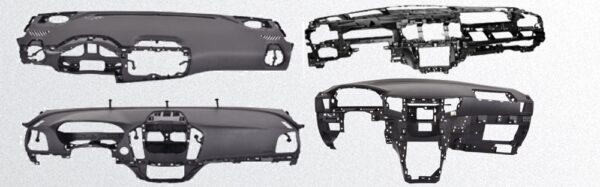
Modern vehicles rely on precision components for engines, transmissions, braking systems, connectors, and sensors. Advanced metal manufacturing ensures stability, safety, and durability, supporting lightweight design and electrification trends.
4.2 Medical Devices
Medical equipment demands biocompatibility, cleanliness, and ultra‑high precision. Specialized metalwork produces surgical instruments, implant parts, diagnostic device components, and device housings that meet strict regulatory standards.
4.3 Home Appliances
Precision metal parts improve performance, appearance, and user experience in appliances such as compressors, motors, control panels, heat exchangers, and structural frames.
4.4 Electronics & 3C Products
Thin‑walled, complex, and high‑precision metal components are essential for smartphones, tablets, servers, and communication equipment. Advanced manufacturing supports miniaturization and high‑frequency functionality.
4.5 Aerospace & Automation
Aerospace and automated machinery require components that withstand extreme conditions. High-precision metal production delivers the accuracy and reliability needed for mission‑critical applications.
Across every industry, advanced metal manufacturing improves product quality, lowers failure rates, and boosts overall competitiveness.
5. Quality Control & Standards in Precision Metal Processing
Quality is non‑negotiable in specialized component manufacturing. Reliable manufacturers implement full‑cycle inspection systems.
5.1 Inspection Equipment Used in Precision Metal Processing
Coordinate Measuring Machines (CMM)
Optical profile projectors
Surface roughness testers
Hardness testers
Micrometers and calipers with high precision
Automated optical inspection (AOI) systems
These tools verify dimensions, tolerances, and surface conditions in real time.
5.2 Process Control for Stable Precision Metal Processing
Stable production requires:
Strict incoming material inspection
Standardized operating procedures (SOPs)
Real‑time monitoring of temperature, humidity, and machine status
Regular equipment calibration and maintenance
Traceable batch records
Such systems ensure every batch meets high-precision manufacturing requirements.
6. Trends Shaping Precision Metal Processing in 2026
The industry is evolving rapidly. Key 2026 trends include:
Intelligent & digital manufacturing: AI, IoT, and digital twins optimize modern metal production workflows.
Higher precision: Demands shift toward sub‑micron and even nanometer accuracy.
Green production: Energy efficiency, reduced waste, and eco‑friendly materials.
One‑stop solutions: Integrated design, processing, mold making, and assembly.
Customization & flexibility: Quick adaptation to small‑batch, high‑mix orders.
These trends improve efficiency, sustainability, and value for customers worldwide.
7. How to Choose a Reliable Precision Metal Processing Partner
Selecting the right supplier determines project success. Consider these factors:
Comprehensive technical capacity covering design, machining, molding, and assembly
Advanced equipment that supports modern precision component production
Mature quality management and certified systems
Experience in your target industry
Stable delivery and responsive service
Reasonable pricing without compromising quality
A professional partner turns design into high‑performance precision components.
Why Choose Huazhi Mould for Your Precision Metal Processing Needs
When you choose Huazhi Mould for Precision Metal Processing, you gain a full‑service manufacturing partner dedicated to quality, efficiency, and innovation. With years of expertise in precision mold design and metal component manufacturing, we serve automotive, home appliance, medical device, and electronics industries with reliable, high‑precision solutions.
Our advantages:
Advanced processing equipment and mature technical processes
Strict quality control from design to delivery
Rich experience in complex precision parts
Customized solutions tailored to your needs
Stable delivery and professional after‑sales support
Whether you need prototype development, batch production, or full‑system manufacturing, Huazhi Mould delivers trusted advanced manufacturing services that drive your product success. Learn more about our capabilities on our official website: Huazhi Mould Customized Solutions.
FAQ: Frequently Asked Questions About Precision Metal Processing
Q1: What tolerance level can Precision Metal Processing achieve?
In 2026, standard Precision Metal Processing achieves ±0.005 mm to ±0.05 mm; high‑end processes can reach ±0.001 mm depending on material, size, and process.
Q2: How long does a typical Precision Metal Processing project take?
Lead times vary by complexity, quantity, and process. Simple parts may take 3–7 days; complex projects may take 15–30 days including design, machining, and inspection.
Q3: What materials are most commonly used in Precision Metal Processing?
Aluminum alloys, stainless steel, carbon steel, copper, brass, and special alloys are most widely used.
Q4: Is Precision Metal Processing suitable for small‑batch orders?
Yes. Modern CNC and flexible production make Precision Metal Processing economical for prototypes, small batches, and mass production.
Q5: How do you ensure quality in mass Precision Metal Processing?
We use standardized processes, real‑time monitoring, full inspection, and complete traceability to maintain consistency.
Q6: Can you handle both metal processing and mold making?
Yes. Huazhi Mould integrates precision mold design, Precision Metal Processing, and component manufacturing for one‑stop service.
To learn more about how Precision Metal Processing integrates with modern mold manufacturing, visit Huazhi Mould’s official platform: https://www.huazhimould.com/wp-admin.
Conclusion
Precision Metal Processing is a cornerstone of modern advanced manufacturing, supporting technological progress across automotive, medical, appliance, electronics, aerospace, and automation industries. As 2026 brings higher demands for precision, efficiency, and sustainability, choosing a professional, reliable advanced manufacturing partner becomes more important than ever.
If you’re looking for high‑quality Precision Metal Processing solutions, custom precision components, or professional mold manufacturing support, contact Huazhi Mould today to discuss your project and get a customized solution