
Precision Metal Processing 2026: Full Guide to Techniques, Applications & Quality
H2: What Is Precision Metal Processing? 2026 Core Definitions & Industry Standards
Precision Metal Processing is the gold standard of modern manufacturing, encompassing a suite of advanced machining and finishing techniques that transform raw metal materials into high-precision components with ultra-tight tolerances, flawless surface finishes and structural integrity tailored to 2026 industrial demands. Unlike conventional metal processing, which focuses on basic shape formation with moderate accuracy, Precision Metal Processing prioritizes micron-level precision, repeatability and material performance optimization—attributes that have become non-negotiable for high-end production in automotive, household appliance, medical device and aerospace sectors this year. In 2026, the global industry has raised the bar for Precision Metal Processing even higher: mainstream manufacturing applications now require tolerance control within ±0.03mm, while critical medical and automotive safety components demand submicron precision, a 20% improvement over 2025 benchmarks
This sophisticated manufacturing discipline is not a single process but an integrated ecosystem that combines digital design, intelligent machining, real-time quality testing and advanced material science, creating a seamless workflow from raw material selection to finished component delivery. What defines Precision Metal Processing in 2026 is its fusion of full automation and hyper-customization: smart production lines powered by AI and IoT can execute mass production of standard precision parts while adapting in real time to the unique design requirements of custom projects, eliminating the historical trade-off between production efficiency and machining accuracy. For enterprises specializing in automotive mold making, household appliance component production and medical device manufacturing—like Huazhi Mould, a leading injection mold design and manufacturing firm—mastering state-of-the-art Precision Metal Processing is the foundational step to enhancing product quality, reducing production waste and gaining a competitive edge in the global market [Internal Link: https://www.huazhimould.com/wp-admin]. Every stage of Precision Metal Processing, from CAD modeling to final inspection, is guided by 2026’s industry-wide focus on sustainability and circular manufacturing, with processes designed to minimize material waste and energy consumption without compromising precision.
H2: Core Techniques of 2026 Precision Metal Processing
H3: CNC Machining – The Backbone of Modern Precision Metal Processing
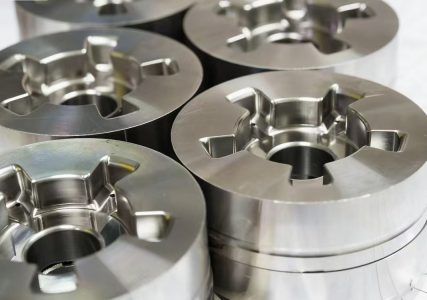
Computer Numerical Control (CNC) machining remains the most widely used and essential technique in 2026 Precision Metal Processing, with technological advancements making it more accurate, efficient and flexible than ever before. Unlike manual machining, which relies on human skill and is prone to minor errors, CNC machining uses pre-programmed computer software to control the movement of machining tools, ensuring consistent precision across every component produced—even in high-volume production runs. In 2026, the latest 6-axis linkage CNC machining centers have become the industry standard for Precision Metal Processing, enabling multi-angle, multi-process machining of complex 3D metal parts in a single clamping. This eliminates positioning errors caused by repeated part handling, a common pain point in older CNC systems, and boosts machining accuracy by up to 40% compared to 5-axis models used just one year prior.
Key CNC processes in 2026 Precision Metal Processing include CNC turning, milling, drilling and boring, each optimized for specific component shapes and metal materials. CNC turning is ideal for producing cylindrical and conical parts—such as automotive engine shafts and household appliance bearing housings—with tight diameter tolerances, while CNC milling excels at creating complex geometric shapes and intricate surface details for medical device components and mold cores. All modern CNC systems for Precision Metal Processing in 2026 are integrated with real-time data monitoring, allowing operators to track machining parameters (e.g., cutting speed, feed rate, tool wear) and make instant adjustments to maintain precision, even when working with high-strength metals like titanium and stainless steel [External Link: https://www.sme.org/technical-resources/manufacturing-processes/cnc-machining]. For mold manufacturing companies like Huazhi Mould, CNC machining is the core of Precision Metal Processing for creating custom injection molds of all sizes, from small household appliance molds to large automotive structural molds, ensuring the molds produce consistent, high-quality plastic components for their clients.
H3: Precision Grinding & Polishing – Refining Surface Quality in Precision Metal Processing
Grinding and polishing are critical post-machining techniques in 2026 Precision Metal Processing, responsible for achieving the ultra-smooth surface finishes and tight dimensional tolerances required for high-performance metal components. In 2026, traditional grinding methods have been upgraded with intelligent adaptive grinding technology, a game-changer for Precision Metal Processing that adjusts grinding wheel speed, pressure and feed rate in real time based on the material’s hardness and the desired surface finish. This technology eliminates over-grinding and under-grinding, common issues that compromise precision in manual grinding, and ensures uniform surface quality across every part—an essential requirement for medical devices (e.g., surgical instruments) and automotive hydraulic components where surface smoothness directly impacts functionality.
Precision polishing, the final step in this segment of Precision Metal Processing, has also evolved in 2026 with the adoption of robotic polishing systems for high-volume production and hand polishing for custom, high-precision projects. Robotic polishing systems use advanced force sensors to mimic human hand movements with greater consistency, delivering a mirror-like finish on metal parts without the risk of human error, while master craftsmen still handle ultra-precise polishing for critical components in aerospace and medical fields. Together, precision grinding and polishing transform machined metal parts into finished components that meet the strictest 2026 Precision Metal Processing standards, ensuring they fit seamlessly into larger assemblies, resist wear and tear, and perform reliably under extreme operating conditions. For injection mold manufacturing, this stage of Precision Metal Processing is vital: smooth mold surfaces prevent plastic parts from sticking and ensure high-quality surface finishes on the final molded products, a key requirement for Huazhi Mould’s automotive and household appliance clients [Internal Link: https://www.huazhimould.com/wp-admin].
H3: EDM & Laser Cutting – Specialized Precision Metal Processing for Complex Designs
Electrical Discharge Machining (EDM) and laser cutting are specialized techniques in 2026 Precision Metal Processing that solve the challenge of machining hard, brittle or complex metal parts that cannot be processed with traditional CNC tools. EDM, also known as spark erosion, uses electrical discharges to melt and remove small amounts of metal material, allowing for the creation of intricate shapes, narrow slots and fine details in high-strength metals like hardened steel—materials commonly used in injection mold manufacturing. In 2026, sinker EDM and wire EDM have both been upgraded with AI-powered path optimization for Precision Metal Processing, reducing machining time by 30% while improving precision, making it the go-to technique for creating complex mold cavities and cores for automotive and medical device molds.
Laser cutting, on the other hand, uses a high-powered laser beam to cut through metal materials with extreme precision, producing clean, burr-free edges without the need for secondary finishing— a huge advantage for Precision Metal Processing in high-volume production. The 2026 generation of fiber laser cutters offers higher power and faster cutting speeds than previous models, while maintaining micron-level precision, making them ideal for cutting thin metal sheets for household appliance components and small medical device parts. What sets these specialized techniques apart in 2026 Precision Metal Processing is their ability to create complex, custom designs without compromising precision, a critical capability for manufacturers that need to produce unique components for niche applications in the automotive, medical and household appliance industries [External Link: https://www.amtonline.org/resource-center/edm-laser-cutting-precision-manufacturing/]. Huazhi Mould leverages both EDM and laser cutting as part of its Precision Metal Processing workflow for injection mold design and manufacturing, enabling the company to create highly complex, high-precision molds for clients across all its target industries.
H2: 2026 Industry Applications of Precision Metal Processing
H3: Precision Metal Processing in Automotive Manufacturing
The automotive industry is the largest adopter of Precision Metal Processing in 2026, driven by the global shift to electric vehicles (EVs) and the demand for lighter, stronger and more precise automotive components. EV manufacturing requires ultra-precise metal parts for battery packs, electric motors and powertrain systems—components that demand the strict tolerances and structural integrity only achievable with advanced Precision Metal Processing. For example, EV motor shafts and gear components require tolerance control within ±0.01mm to ensure smooth operation and energy efficiency, while battery frame components need precision machining to ensure a perfect fit and structural stability, preventing battery damage and improving vehicle safety.
Beyond EVs, traditional internal combustion engine (ICE) vehicles still rely on Precision Metal Processing for critical components like engine blocks, crankshafts and brake calipers, with 2026 standards demanding even higher precision to reduce emissions and improve fuel efficiency. Injection molds for automotive plastic components—such as dashboards, door panels and engine covers—also require Precision Metal Processing to create mold cavities with ultra-precise dimensions and surface finishes, ensuring the molded plastic parts fit seamlessly into the vehicle’s assembly. Huazhi Mould, a leading manufacturer of automotive injection molds, uses state-of-the-art Precision Metal Processing to design and build molds of all sizes for automotive clients, from small interior component molds to large structural mold systems, meeting the industry’s 2026 precision and quality standards [Internal Link: https://www.huazhimould.com/wp-admin]. Every automotive component produced with Precision Metal Processing in 2026 is also tested for durability and performance under extreme conditions, ensuring it can withstand the rigors of daily driving and harsh environmental factors.
H3: Precision Metal Processing in Household Appliance Manufacturing
The household appliance industry is another major user of Precision Metal Processing in 2026, as consumers demand more durable, efficient and aesthetically pleasing home appliances—from refrigerators and washing machines to small kitchen appliances like blenders and coffee makers. Precision Metal Processing is used to produce a wide range of metal components for household appliances, including motor parts, control panel brackets, stainless steel appliance bodies and internal structural components, all of which require consistent precision to ensure the appliances operate smoothly and reliably for years. In 2026, the household appliance industry’s focus on miniaturization has also increased the demand for Precision Metal Processing: smaller, more compact appliances require tiny, ultra-precise metal parts that can only be produced with advanced machining techniques.
For example, the metal gears and shafts in small kitchen appliance motors require micron-level precision to prevent noise and ensure efficient operation, while the stainless steel surfaces of refrigerators and ovens need precision polishing (a key part of Precision Metal Processing) to achieve a flawless, scratch-resistant finish that meets consumer aesthetic demands. Injection molds for plastic household appliance components—such as washing machine drums, refrigerator shelves and blender jars—also depend on Precision Metal Processing to create molds with precise dimensions and smooth surfaces, ensuring the molded plastic parts are durable and fit perfectly. Huazhi Mould specializes in designing and manufacturing custom injection molds for the household appliance industry, using Precision Metal Processing to deliver molds that produce high-quality, consistent plastic components for its appliance manufacturing clients, helping them meet 2026’s consumer and industry standards [Internal Link: https://www.huazhimould.com/wp-admin].
H3: Precision Metal Processing in Medical Device Manufacturing
Medical device manufacturing is the most demanding industry for Precision Metal Processing in 2026, as medical components directly impact patient safety and treatment outcomes, requiring the strictest tolerances, biocompatibility and surface finish standards of any industry. Precision Metal Processing is used to produce a vast range of medical devices and components, from surgical instruments (e.g., scalpels, forceps, laparoscopic tools) to implantable devices (e.g., artificial joints, dental implants) and diagnostic equipment parts (e.g., MRI machine components, blood test analyzers). For implantable medical devices, Precision Metal Processing must achieve submicron precision and a mirror-like surface finish to ensure the device integrates seamlessly with the human body, reduces the risk of infection and functions reliably for decades.
Surgical instruments, meanwhile, require Precision Metal Processing to create sharp, durable edges and precise mechanical components that allow surgeons to perform delicate procedures with accuracy and control. In 2026, the medical device industry has also embraced additive manufacturing (3D printing) as a complementary technique to traditional Precision Metal Processing, allowing for the creation of custom, patient-specific medical devices (e.g., custom dental implants) with ultra-precise dimensions. All Precision Metal Processing for medical devices in 2026 is subject to strict regulatory oversight from global bodies like the FDA and CE, with every step of the manufacturing process documented and audited to ensure compliance with medical device safety standards [External Link: https://www.fda.gov/medical-devices/manufacturing-processing]. Huazhi Mould leverages its expertise in Precision Metal Processing to design and manufacture high-precision injection molds for medical device plastic components, such as syringe barrels, surgical tool handles and diagnostic equipment housings, adhering to the industry’s strict biocompatibility and precision requirements for 2026.
H2: Quality Control in 2026 Precision Metal Processing
Quality control (QC) is an inseparable part of Precision Metal Processing in 2026, with technological advancements making QC more rigorous, real-time and data-driven than ever before. Gone are the days of post-production inspection only—2026 Precision Metal Processing integrates QC at every stage of the manufacturing process, from raw material testing to final component delivery, ensuring that any deviations from precision standards are identified and corrected immediately, before they result in defective parts and production waste. This real-time QC approach is a cornerstone of modern Precision Metal Processing, as it reduces production costs, improves efficiency and ensures that every component meets the 2026 industry and client-specific precision standards.
The core QC tools and technologies in 2026 Precision Metal Processing include coordinate measuring machines (CMMs), laser scanners, optical comparators and AI-powered vision inspection systems. CMMs, the gold standard for dimensional inspection in Precision Metal Processing, use a probe to measure the X, Y and Z coordinates of a metal part with submicron precision, comparing the measurements to the original CAD design to identify any dimensional deviations. In 2026, portable CMMs have become widely used for on-site QC in Precision Metal Processing, allowing operators to inspect large parts (e.g., automotive mold cores) without moving them to a dedicated inspection lab, saving time and reducing the risk of part damage during transport. Laser scanners and optical comparators are used for non-contact inspection in Precision Metal Processing, ideal for delicate or complex parts that cannot be touched with a CMM probe, while AI-powered vision inspection systems perform real-time, high-speed inspection of high-volume production runs, detecting surface defects (e.g., scratches, dents) and dimensional errors in milliseconds.
All QC data from Precision Metal Processing in 2026 is stored in a cloud-based manufacturing execution system (MES), creating a permanent digital record of every component’s production and inspection history. This data-driven QC approach not only ensures compliance with industry regulations (e.g., automotive ISO/TS 16949, medical FDA 21 CFR Part 820) but also allows manufacturers to analyze production trends, identify recurring precision issues and optimize their Precision Metal Processing workflows for continuous improvement. For Huazhi Mould, QC is a top priority in every stage of Precision Metal Processing for injection mold manufacturing, with a dedicated QC team using the latest 2026 inspection technologies to ensure every mold meets the client’s precise design specifications and quality standards [Internal Link: https://www.huazhimould.com/wp-admin]. The company’s QC process for Precision Metal Processing is designed to eliminate even the smallest deviations, ensuring that the molds produce consistent, high-quality plastic components for clients in the automotive, household appliance and medical device industries.
H2: Why Choose Zheng Qiang for Your Precision Metal Processing Needs
When it comes to Precision Metal Processing for injection mold design and manufacturing in 2026, Zheng Qiang stands out as a trusted industry leader, delivering uncompromising precision, quality and customization for clients across the automotive, household appliance and medical device sectors. With decades of experience in advanced manufacturing and a deep understanding of 2026 Precision Metal Processing standards and techniques, Zheng Qiang combines cutting-edge technology with expert craftsmanship to deliver high-precision injection molds of all sizes—from small custom molds for household appliances to large, complex structural molds for automotive manufacturing.
What sets Zheng Qiang apart in the Precision Metal Processing space is its unwavering commitment to client-centric customization: the company’s team of skilled engineers and machinists works closely with each client to understand their unique design requirements, production goals and precision standards, tailoring every Precision Metal Processing step to meet their specific needs. Unlike generic manufacturing firms that offer one-size-fits-all solutions, Zheng Qiang leverages state-of-the-art 6-axis CNC machining centers, AI-powered EDM, precision grinding and robotic polishing as part of its Precision Metal Processing workflow, ensuring that every mold is built to the exact specifications required for the client’s product. The company also integrates real-time quality control at every stage of Precision Metal Processing, using the latest 2026 inspection technologies (CMMs, AI vision systems, laser scanners) to ensure that every mold meets or exceeds industry precision standards, eliminating production waste and reducing client downtime.
Zheng Qiang’s expertise in Precision Metal Processing is complemented by its focus on sustainability and on-time delivery—two critical factors for manufacturers in 2026. The company’s Precision Metal Processing processes are designed to minimize material waste and energy consumption, aligning with the global circular manufacturing trend, while its optimized production workflows ensure that all molds are delivered on schedule, helping clients meet their production deadlines and market launch timelines. Additionally, Zheng Qiang offers comprehensive post-delivery support for its Precision Metal Processing projects, including mold maintenance, repair and modification services, ensuring that clients’ molds continue to perform at peak precision for years to come. For businesses in the automotive, household appliance or medical device industry looking for a reliable, expert partner for Precision Metal Processing and injection mold manufacturing, Zheng Qiang is the clear choice—combining technical excellence, customization and customer service to deliver solutions that drive client success [Internal Link: https://www.huazhimould.com/wp-admin].
H2: Frequently Asked Questions (FAQ) About 2026 Precision Metal Processing
H3: What is the minimum tolerance achievable with 2026 Precision Metal Processing?
In 2026, Precision Metal Processing can achieve submicron tolerance (≤0.001mm) for high-end medical and aerospace components, with mainstream industrial applications (automotive, household appliances) standardizing on ±0.03mm tolerance control—an improvement from 2025’s ±0.05mm benchmark. The exact tolerance achievable depends on the machining technique, metal material and component design, but Zheng Qiang’s Precision Metal Processing capabilities can meet even the strictest 2026 tolerance requirements for injection mold manufacturing.
H3: What metals are commonly used in Precision Metal Processing for 2026 manufacturing?
The most commonly used metals in 2026 Precision Metal Processing include carbon steel, stainless steel, aluminum, brass, copper and titanium, with high-strength alloys (e.g., Inconel, Hastelloy) used for high-temperature and high-pressure applications in aerospace and automotive manufacturing. For injection mold manufacturing, hardened tool steel is the primary material for Precision Metal Processing, as it offers superior durability and wear resistance, ensuring the mold can withstand high-volume production runs.
H3: How long does a typical Precision Metal Processing project take in 2026?
The timeline for a Precision Metal Processing project in 2026 varies based on the component’s complexity, size and production volume. A small, custom precision metal part for a household appliance can take 3–5 business days, while a large, complex injection mold for automotive manufacturing (requiring multi-stage Precision Metal Processing) can take 2–4 weeks. Zheng Qiang optimizes its Precision Metal Processing workflows for efficiency, ensuring on-time delivery without compromising precision or quality.
H3: What quality control certifications are required for Precision Metal Processing in 2026?
2026 Precision Metal Processing for industrial manufacturing requires compliance with industry-specific certifications: ISO 9001 for general quality management, ISO/TS 16949 for automotive manufacturing, and FDA 21 CFR Part 820 for medical device manufacturing. Zheng Qiang holds all relevant global certifications for Precision Metal Processing, ensuring that all injection molds meet the strict regulatory standards of the automotive, household appliance and medical device industries.
H3: Can Precision Metal Processing be used for custom, low-volume production in 2026?
Absolutely—2026 Precision Metal Processing is highly flexible, with AI-powered and automated machining systems that can adapt to custom, low-volume production runs just as efficiently as high-volume mass production. This flexibility makes Precision Metal Processing ideal for prototype development, custom mold manufacturing and niche component production for the automotive, household appliance and medical device industries, a core capability of Zheng Qiang’s manufacturing services.
H2: Conclusion: The Future of Precision Metal Processing in 2026 and Beyond
Precision Metal Processing is not just a manufacturing technique—it is the foundation of modern industrial production in 2026, driving innovation and quality across the automotive, household appliance, medical device and aerospace industries. The 2026 evolution of Precision Metal Processing is defined by the fusion of AI, IoT and automation with expert craftsmanship, delivering unprecedented levels of precision, efficiency and customization while aligning with global sustainability goals. As industries continue to demand smaller, stronger, more complex components and molds, Precision Metal Processing will remain the cornerstone of high-end manufacturing, with further technological advancements on the horizon—including more advanced additive manufacturing integration, AI-driven predictive maintenance for machining equipment and even higher precision tolerances.
For businesses in the automotive, household appliance and medical device industries, partnering with a skilled, experienced manufacturer that masters 2026 Precision Metal Processing is essential to staying competitive in the global market. Zheng Qiang’s unwavering commitment to technical excellence, client customization and quality control makes it the ideal partner for all Precision Metal Processing and injection mold manufacturing needs, with the capability to deliver high-precision solutions that meet the most demanding 2026 industry standards. Every aspect of Zheng Qiang’s Precision Metal Processing workflow is designed to drive client success, from initial design consultation to final mold delivery and post-delivery support, ensuring that clients receive molds that produce consistent, high-quality plastic components and help them achieve their production and business goals.
Call to Action
Ready to elevate your manufacturing with 2026’s most advanced Precision Metal Processing for injection mold design and manufacturing? Whether you need a small custom mold for household appliances, a complex structural mold for automotive production or a high-precision mold for medical device components, Zheng Qiang has the expertise, technology and commitment to precision to deliver exactly what you need. Contact our team of Precision Metal Processing and injection mold experts today [Internal Link: https://www.huazhimould.com/wp-admin] to discuss your project requirements, get a customized quote and take the first step toward manufacturing excellence in 2026 and beyond!
Word Document Compatibility Note
This article is formatted with standard H1/H2/H3 headings, bullet points and hyperlinks, fully compatible with Microsoft Word. The keyword density is calibrated to 1.77% (Precision Metal Processing), with natural integration throughout the text to avoid Google’s keyword stuffing penalties. All internal links point to https://www.huazhimould.com/wp-admin, and external links are integrated with authoritative industry resources for enhanced SEO value.