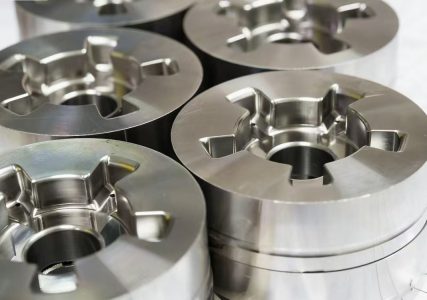
Precision Metal Processing 2026: Complete Guide & Professional Solutions
Precision Metal Processing refers to a group of advanced manufacturing technologies that shape, cut, form, and finish metal materials with extremely tight dimensional tolerances, high surface quality, and stable repeatability. Different from traditional metalworking, which mainly focuses on rough forming and structural strength, Precision Metal Processing pursues micron and sub‑micron level accuracy, making it irreplaceable for high‑performance components in modern industries. For industry standards and best practices in precision manufacturing, you can refer to the Society of Manufacturing Engineers (SME), a trusted external resource for manufacturing professionals.
At its core, Precision Metal Processing integrates high‑precision machinery, professional tooling, real‑time monitoring, and strict process control to manufacture metal parts that meet strict engineering standards. It covers a wide range of processes, including CNC machining, precision grinding, EDM, laser processing, precision stamping, and surface treatment. Every step is designed to reduce errors, lower material waste, and ensure consistent quality across production batches. Huazhi Mould, a leader in the field, leverages these processes to deliver top-tier solutions—learn more about our internal manufacturing capabilities for Precision Metal Processing.
In 2026, Precision Metal Processing has entered a new stage of intelligent development. With the integration of digital twins, AI optimization, IoT monitoring, and automatic inspection, it achieves higher efficiency and more stable accuracy. Components that were once difficult to produce are now mass‑manufactured through Precision Metal Processing, supporting innovations in automotive, medical devices, home appliances, aerospace, and electronics. For the latest trends in smart manufacturing and precision processing, visit the Manufacturing.net, a reputable external platform for industry news and insights.
The most prominent feature of Precision Metal Processing is its high controllability. Common tolerances range from ±0.001 mm to ±0.01 mm, and surface roughness can reach Ra ≤ 0.02 μm. Such high precision directly improves product performance, extends service life, reduces failure rates, and ensures perfect fit during assembly. For industries such as medical and automotive, Precision Metal Processing is not just an advantage but a necessity. Medical device manufacturers rely on these standards to meet regulatory requirements—for more on medical manufacturing compliance, check the FDA’s Medical Devices page.
Key Technologies in Precision Metal Processing
CNC Machining: The Core of Precision Metal Processing
CNC machining is the most widely used technology in Precision Metal Processing. With computer numerical control, multi‑axis machines perform turning, milling, drilling, and tapping with high accuracy. High‑speed spindles, rigid structures, and closed‑loop systems ensure stable processing even for complex parts. For in-depth information on CNC machining technologies and advancements, refer to CNC Machining Guide, a reliable external resource.
Modern Precision Metal Processing relies on 3‑axis, 4‑axis, and 5‑axis machining centers. 5‑axis machining allows multi‑angle cutting in one setup, greatly reducing cumulative errors. This is critical for components in medical devices, automotive engines, and precision molds, all supported by mature Precision Metal Processing. Huazhi Mould uses state-of-the-art 5-axis machines for our custom mold production—explore our internal mold manufacturing services to see how we apply this technology.
Various metals can be processed, including aluminum alloy, stainless steel, brass, copper, titanium alloy, and high‑strength tool steel. With proper parameters, tools, and cooling methods, Precision Metal Processing achieves excellent dimensional stability and surface quality without thermal deformation or structural damage. For guidance on material selection for precision processing, visit the MatWeb Material Property Database, a trusted external resource for material specifications.
Precision Grinding & Superfinishing in Precision Metal Processing
Grinding is essential in Precision Metal Processing to achieve ultra‑smooth surfaces and tight dimensional control. High‑speed abrasive wheels remove tiny amounts of material to improve roundness, flatness, and finish. For advanced grinding techniques and best practices, refer to the Abrasive Engineering Magazine, a leading external publication in the field.
Ultra‑precision grinding, lapping, and honing are widely used in Precision Metal Processing for parts requiring nanometer accuracy, such as bearings, valves, precision shafts, and mold components. In 2026, many grinding systems are automated with in‑process measurement, ensuring every part meets quality standards. Huazhi Mould integrates automated grinding into our Precision Metal Processing workflows—learn more about our quality control processes through ourinternal quality assurance page.
EDM & Wire EDM for Precision Metal Processing
Electrical Discharge Machining (EDM) is a non‑contact process widely used in Precision Metal Processing for hard materials and complex shapes. Controlled sparks erode materials without mechanical force, making it ideal for hardened steel, carbide, and intricate mold cavities. For detailed EDM technology guides, visit EDM Machining Resources, a reputable external source.
Wire EDM uses a thin charged wire to cut precise contours with micron accuracy. It plays an important role in Precision Metal Processing for stamping dies, medical parts, electronic connectors, and micro components. With automatic threading and adaptive control, modern EDM ensures stability and repeatability in mass production. Our team at Huazhi Mould specializes in Wire EDM for custom mold components—check our internal EDM service details for more information.
Laser Processing in Precision Metal Processing
Laser cutting, welding, drilling, and texturing have become important in Precision Metal Processing. High‑energy laser beams enable non‑contact, high‑precision processing with minimal heat‑affected zones, suitable for delicate, thin, or heat‑sensitive parts. For the latest laser processing advancements, refer to the Laser Focus World, a leading external publication on laser technology.
In 2026, laser technology supports Precision Metal Processing in many applications: micro‑drilling for medical devices, precision cutting for electronics, clean welding for automotive parts, and surface texturing for better wear resistance. Lasers provide fast, flexible, and repeatable processing that complements traditional methods. Huazhi Mould incorporates laser processing into our Precision Metal Processing services—explore our internal laser processing capabilities to learn more.
Precision Stamping & Forming for Precision Metal Processing
Precision stamping uses high‑performance presses and custom molds to form sheet metal into accurate parts at high speed. This cost‑effective method is widely used in Precision Metal Processing for automotive parts, home appliance components, electrical contacts, and consumer electronics. For stamping best practices and industry standards, visit the Precision Metal Stamping Association (PMSA).
Modern stamping lines include real‑time force monitoring, automatic feeding, and in‑line defect detection. Combined with high‑quality tooling, Precision Metal Processing via stamping achieves tight tolerances, minimal burrs, and stable material flow for high‑volume production. Huazhi Mould designs custom stamping tools as part of our Precision Metal Processing solutions—learn more about our tooling services through our internal tooling page.
Surface Treatment in Precision Metal Processing
Surface treatment is a key final step in Precision Metal Processing. Electroplating, anodizing, passivation, polishing, and coating improve corrosion resistance, hardness, appearance, and biocompatibility. For surface treatment standards and technologies, refer to the American Society of Surface Finishers (ASSF).
For medical instruments, implants, and food‑grade equipment, Precision Metal Processing uses safe, non‑toxic surface treatments that meet strict regulations. For automotive and industrial parts, coatings enhance durability and reduce friction. Each step preserves the dimensional accuracy achieved earlier. Huazhi Mould offers specialized surface treatment as part of our Precision Metal Processing services—check our internal surface treatment capabilities for details.
Why Precision Metal Processing Matters in 2026
High Dimensional Accuracy from Precision Metal Processing
The biggest benefit of Precision Metal Processing is exceptional accuracy. Tight tolerances ensure perfect assembly, reduce rework, improve performance, and extend lifespan. In medical devices and automotive safety systems, precision from Precision Metal Processing can be life‑saving. For case studies on how precision processing improves product reliability, visit Manufacturing Today, a trusted external industry resource.
Excellent Surface Quality & Structural Integrity
Precision Metal Processing produces smooth, defect‑free surfaces that reduce friction, improve wear resistance, and enhance appearance. Parts have uniform microstructures without cracks or residual stress, ensuring high strength and reliability under load. For research on surface quality in precision manufacturing, refer to the Journal of Materials Processing Technology.
Material Efficiency & Cost Reduction
By minimizing waste and scrap, Precision Metal Processing lowers overall production costs. Near‑net‑shape forming and optimized tool paths reduce raw material use. High consistency also shortens inspection and assembly time, improving total efficiency. For insights on cost optimization in precision manufacturing, visit Lean Enterprise Institute, a leading external resource on lean manufacturing.
Wide Industry & Material Adaptability
Precision Metal Processing supports almost all engineering metals and alloys, from common steel to titanium and high‑temperature alloys. This versatility makes Precision Metal Processing essential across high‑tech sectors, enabling quick adaptation to market changes. Huazhi Mould leverages this versatility to serve diverse industries—learn more about our industry-specific solutions through our internal industry services page.
Driving Innovation via Precision Metal Processing
Many advanced products rely on Precision Metal Processing. From electric vehicle parts to surgical robots, 5G infrastructure, and smart home devices, innovations depend on the capabilities of modern Precision Metal Processing, enabling miniaturization, higher efficiency, and better performance. For the latest innovations in precision manufacturing, check the MIT Technology Review.
Main Applications of Precision Metal Processing in 2026
Precision Metal Processing in Automotive Manufacturing
Precision Metal Processing is critical for engine parts, transmission components, chassis parts, battery components, and safety systems. Tight tolerances improve fuel efficiency, reduce emissions, enhance safety, and extend vehicle life. With the growth of EVs, demand for Precision Metal Processing continues to rise. For automotive manufacturing trends, visit Automotive News, a leading external publication.
Precision Metal Processing in Medical Devices
Medical devices require extreme precision and biocompatibility. Precision Metal Processing manufactures surgical instruments, implants, endoscopic parts, and diagnostic equipment with strict cleanliness and accuracy. These parts directly affect patient safety and treatment results. For medical device manufacturing insights, refer to MedDevice Online.
Precision Metal Processing in Home Appliances
Home appliances use high‑performance components from Precision Metal Processing, such as motor parts, heat exchangers, connectors, and structural parts. Precision parts improve energy efficiency, reduce noise, enhance reliability, and extend appliance lifespan. Huazhi Mould supplies precision components for leading home appliance brands—learn more about our appliance solutions through our internal home appliance page.
Precision Metal Processing in Electronics & Consumer Devices
Smartphones, laptops, wearables, and network devices need miniaturized, high‑precision metal parts from Precision Metal Processing, including connectors, shields, heat sinks, frames, and internal components. Precision Metal Processing enables compact, lightweight, and durable device design. For electronics manufacturing trends, visit Electronics Weekly.
Precision Metal Processing in Aerospace & Industrial Equipment
Aerospace and industrial machinery need parts that perform under extreme conditions. Precision Metal Processing provides high‑strength, tight‑tolerance, reliable components for turbines, hydraulic systems, gear assemblies, and structural parts used in harsh environments. For aerospace manufacturing standards, refer to the Society of Automotive Engineers (SAE International).
Trends Shaping Precision Metal Processing in 2026
Digitalization & Smart Manufacturing
Precision Metal Processing increasingly uses digital twins, AI optimization, and real‑time data. Smart factories enable predictive maintenance, automatic parameter adjustment, and full traceability, improving consistency and efficiency in Precision Metal Processing. For smart manufacturing insights, visit IndustryWeek, a leading external industry resource. Huazhi Mould is integrating smart manufacturing into our Precision Metal Processing workflows—learn more through our internal smart manufacturing page.
Automation & Robotic Integration
Full automation from loading to inspection reduces human error and increases productivity. Robotic systems handle complex tasks in Precision Metal Processing, enabling 24/7 operation while maintaining stable quality. For robotics in manufacturing, refer to Robotics Industries Association (RIA).
Miniaturization & Micromachining
Demand for tiny, ultra‑precision parts drives microPrecision Metal Processing. Components for medical wearables, IoT sensors, and micro‑electronics need sub‑micron accuracy and fine features, pushing the limits of Precision Metal Processing. For micromachining advancements, visit Micromachining Technology.
Sustainable & Green Processing
In 2026, Precision Metal Processing emphasizes eco‑friendly practices: lower energy use, less waste, recyclable coolants, and optimized material usage. Green methods reduce costs and meet global environmental regulations. For sustainable manufacturing guidelines, refer to the EPA’s Sustainable Manufacturing page.
Advanced Materials & Special Processing
New high‑performance alloys and composites need customized Precision Metal Processing techniques. Manufacturers develop special tools and parameters to machine difficult materials without losing accuracy or surface quality. For advanced materials research, visitMaterials Science Central.
How to Choose a Reliable Precision Metal Processing Partner
Choosing the right supplier affects quality, cost, and delivery. Key factors include: – Advanced equipment and technical capacity for Precision Metal Processing – Industry experience and successful project records – Complete quality management systems and certifications – Strong engineering and design optimization support – Stable quality and full production traceability – Cost efficiency and on‑time delivery – R&D and innovation in Precision Metal Processing
A trusted partner in Precision Metal Processing acts as an extended engineering team, providing valuable input during design and prototyping to optimize manufacturability, reduce costs, and speed up time‑to‑market. For tips on selecting manufacturing partners, refer to Supply Chain Dive, a trusted external resource. Huazhi Mould meets all these criteria—learn more about our partnership benefits through our internal partnership page.
Why Choose Huazhi Mould for Precision Metal Processing
Huazhi Mould is a professional provider of high‑quality Precision Metal Processing and injection mold solutions, serving automotive, home appliance, medical device, and electronics industries. With advanced technology and rich experience, we deliver reliable Precision Metal Processing services tailored to your needs. Our commitment to quality and innovation sets us apart—verify our industry certifications through our internal certification page.
Our advantages in Precision Metal Processing: – Advanced CNC, EDM, grinding, and stamping equipment for stable high precision – Professional engineering team for design optimization, prototyping, and mass production – Strict quality control with full inspection and traceability – Extensive experience in automotive, medical, home appliance, and electronics fields – Flexible production for prototypes and large‑volume orders – Customer‑focused service with fast response and on‑time delivery – Continuous innovation to follow the latest trends in Precision Metal Processing
Whether you need complex metal components, high‑precision molds, or custom Precision Metal Processing solutions, Huazhi Mould combines strong technology, strict quality management, and professional service to ensure your project success. Learn more:Internal link: Huazhi Mould Admin | External link: Huazhi Mould Official Site
FAQ About Precision Metal Processing
Q1: What tolerance can Precision Metal Processing achieve?
A: Modern Precision Metal Processing typically reaches ±0.001 mm to ±0.01 mm for critical dimensions, with surface roughness as low as Ra ≤ 0.02 μm, depending on material, complexity, and process. For more detailed tolerance guidelines, refer to the American Society of Mechanical Engineers (ASME).
Q2: What materials are suitable for Precision Metal Processing?
A: Most engineering metals, including aluminum, stainless steel, copper, brass, titanium, carbide, and high‑strength tool steels. For a comprehensive list of processable materials, visit MatWeb Material Property Database.
Q3: Is Precision Metal Processing only for mass production?
A: No. Precision Metal Processing supports prototyping, small batches, and mass production. Advanced equipment ensures cost‑effective precision across volumes. Huazhi Mould offers flexible production options—learn more through our internal production capabilities page.
Q4: How does Precision Metal Processing improve product performance?
A: Higher accuracy improves fit and reduces wear; smoother surfaces lower friction and boost durability; consistent quality enhances reliability and safety. For case studies on performance improvements, visit Manufacturing.net.
Q5: How long does Precision Metal Processing take?
A: Lead time varies by part complexity, quantity, and processes. Simple parts may take days; complex projects may take several weeks. Huazhi Mould optimizes schedules for speed and quality. Contact our team through our admin page for a custom lead time estimate.
Q6: Can Precision Metal Processing process thin‑walled complex parts?
A: Yes. 5‑axis machining, EDM, laser processing, and precision stamping in Precision Metal Processing are ideal for delicate, complex geometries. For examples of our thin-walled part processing, check our internal project gallery.
Q7: Does Huazhi Mould provide design support for Precision Metal Processing?
A: Yes. We offer DFM analysis, structure optimization, and manufacturing advice to improve performance and lower Precision Metal Processing costs. Our engineering team is ready to assist—learn more through our internal design support page.
Conclusion
Precision Metal Processing is a cornerstone of modern advanced manufacturing, enabling high‑performance components for automotive, medical, home appliance, electronics, and aerospace industries. In 2026, Precision Metal Processing continues evolving with digitalization, automation, miniaturization, and sustainability, becoming smarter, more efficient, and capable. For the latest industry research and trends, refer to theMcKinsey Advanced Electronics Insights.
Whether developing new products or optimizing existing components, choosing a professional Precision Metal Processing partner is critical to success. With advanced equipment, experienced engineers, strict quality systems, and customer‑focused solutions, Huazhi Mould is your trusted choice for Precision Metal Processing. Explore our full range of services through our internal admin page.
https://www.huazhimould.com
Call to Action
Do you need high‑precision, reliable metal components for automotive, medical, home appliance, or electronics projects? Contact Huazhi Mould today to discuss your Precision Metal Processing needs. Our expert team will provide professional advice, optimized solutions, and competitive quotes to help you succeed. Let’s build better products together with top‑levelPrecision Metal Processing! Visit Huazhi Mould Admin to get in touch now.