Precision Metal Processing: Complete 2026 Guide & Professional Solutions
H1: What is Precision Metal Processing? A Complete Guide to 2026
H2: What Is Precision Metal Processing? Definition and Overview
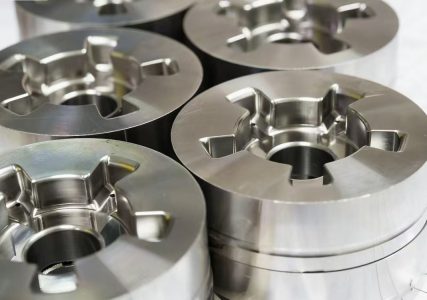
Precision Metal Processing refers to a group of advanced manufacturing methods that shape, cut, finish, and assemble metal materials with extremely tight dimensional control, high geometric consistency, and excellent surface quality. Unlike traditional metalworking, which focuses on basic forming and general functionality, this modern processing method emphasizes accuracy, repeatability, and stability, making it essential for high-end industrial production across the globe.
In 2026, manufacturing demands continue to rise, especially in industries such as automotive, medical devices, home appliances, and precision molds. Products are becoming smaller, more complex, and more functional, which means standard machining is no longer sufficient. Precision Metal Processing fills this gap by delivering micron-level accuracy, reliable batch consistency, and compatibility with high-performance alloys. It bridges design innovation and real-world production, ensuring that even the most intricate components meet strict quality standards.
This type of processing is not limited to a single technology but integrates multiple procedures, from initial material preparation to final inspection. Manufacturers rely on it to produce parts that fit perfectly, perform reliably, and last longer. Without advanced precision solutions, many modern products, from electric vehicle parts to surgical instruments, would not achieve the required safety and efficiency standards.
Key characteristics that define modern Precision Metal Processing:
Extremely tight dimensional tolerances, often at the micron level
High surface smoothness for improved performance and durability
Strong consistency in mass production to reduce defects
Compatibility with hard, high-strength, and special alloys
Digital and intelligent control for stable and efficient production
H2: Key Technologies in Precision Metal Processing
H3: CNC Machining and Its Role in Precision Metal Processing
CNC machining is one of the most foundational technologies used in Precision Metal Processing. Computer numerical control systems allow machines to follow pre-programmed paths, ensuring accurate cutting, milling, turning, and drilling. Modern 5-axis CNC machines can handle complex 3D structures in a single setup, minimizing positioning errors and improving overall precision.
This technology supports a wide range of metal materials, including aluminum, stainless steel, copper, and alloy steels. It is widely used in making mold components, structural parts, connectors, and customized components for different industries. With real-time monitoring and automated calibration, CNC machining ensures that every part matches the original design precisely.
H3: Precision Grinding and Surface Finishing
Grinding is a critical finishing step in achieving superior accuracy and surface quality. By removing tiny amounts of material using high-speed abrasive tools, manufacturers can correct minor deviations and create smooth, uniform surfaces. This process is especially important for parts used in sealing, sliding, and optical applications, where even small imperfections can affect performance.
In modern production, precision grinding is often combined with automated inspection tools to ensure compliance with strict standards. It plays a vital role in mold making, where cavity surfaces must be highly smooth to ensure high-quality plastic or metal forming.
H3: EDM and Wire Cut Processing
Electrical Discharge Machining (EDM) and wire cutting are non-contact processing methods widely used in Precision Metal Processing. They use electrical sparks to erode material without direct mechanical force, making them ideal for hard metals and complex shapes that are difficult to machine with traditional tools.
These technologies are commonly used in mold manufacturing, micro parts, and complex components where high precision and fine details are required. Since there is no tool wear or mechanical stress, parts maintain excellent dimensional stability throughout production.
H3: Laser Processing Technology
Laser cutting, engraving, and welding have become increasingly important in modern manufacturing. Lasers provide high precision with minimal heat impact, making them suitable for thin materials, micro holes, and heat-sensitive components. In 2026, advanced laser systems further improve accuracy, allowing manufacturers to produce ultra-fine parts efficiently.
H3: Precision Stamping and Forming
For high-volume production, precision stamping and forming offer excellent efficiency and consistency. These processes shape metal sheets or blocks using controlled force, maintaining tight tolerances while maximizing material utilization. They are widely used in automotive, electronics, and home appliance parts production.
H2: Common Materials Used in Precision Metal Processing
Precision Metal Processing supports a broad spectrum of metal materials to meet diverse industrial needs:
Aluminum alloys: lightweight, corrosion-resistant, and widely used in structural components
Stainless steel: offers excellent durability and hygiene, ideal for medical and food-grade equipment
Copper and brass: known for high electrical and thermal conductivity
Titanium alloys: high strength-to-weight ratio, used in aerospace and medical implants
Tool steels and alloy steels: commonly used in mold making and wear-resistant parts
Special high-performance alloys: designed for extreme temperatures and harsh environments
Each material requires specific processing parameters, such as cutting speed, tool selection, and cooling methods, to ensure optimal results. Professional manufacturers carefully adjust these settings to maintain precision and avoid material damage.
H2: Main Industry Applications of Precision Metal Processing in 2026
H3: Automotive Industry Applications
The automotive industry depends heavily on Precision Metal Processing for engine components, transmission parts, chassis structures, sensors, and connectors. As electric vehicle production expands, the demand for high-precision parts for motors, battery systems, and control units continues to grow. Precision ensures better safety, efficiency, and product lifespan.
H3: Medical Device Manufacturing
Medical devices require exceptional precision, cleanliness, and biocompatibility. Precision Metal Processing is used to produce surgical instruments, endoscopic parts, implantable components, and device housings. Tight tolerances and smooth surfaces help ensure patient safety and regulatory compliance.
H3: Home Appliance Industry
Home appliances rely on precision components for improved performance and energy efficiency. Internal structures, motor parts, heat dissipation components, and connectors all benefit from advanced processing solutions, ensuring longer service life and stable operation.
H3: Mold and Tool Manufacturing
Mold making is one of the core areas where Precision Metal Processing is indispensable. Injection molds, stamping dies, and forming tools require micron-level accuracy to produce consistent, high-quality products. High-precision molds directly influence production efficiency and final product quality.
H3: Electronics and Semiconductor Components
Consumer electronics and semiconductor equipment require miniaturized, high-precision metal parts. Precision processing supports the production of connectors, shielding parts, heat sinks, and micro-components with tight tolerances and high stability.
H2: Advantages of Adopting Precision Metal Processing
Implementing advanced Precision Metal Processing brings significant benefits to manufacturers:
Improved dimensional accuracy ensures perfect assembly and fit
Higher product performance, durability, and reliability
Better surface quality reduces friction and wear
Consistent batch quality lowers rejection rates and rework costs
Higher material efficiency reduces waste and overall production cost
Greater design flexibility for complex and miniaturized parts
Compatibility with advanced materials supports product innovation
These advantages make precision processing a key factor in maintaining competitiveness in the global manufacturing market.
H2: 2026 Trends Shaping the Future of Precision Metal Processing
Several key trends are driving the evolution of Precision Metal Processing in 2026:
Intelligent manufacturing using AI, IoT, and digital twins for real-time optimization
Green and sustainable production with energy-saving equipment and eco-friendly coolants
Continuous pursuit of higher precision, moving toward sub-micron and nano-level accuracy
Increased automation for flexible, fast-change production lines
Integrated mold design, processing, and molding for one-stop solution efficiency
These trends improve productivity, reduce costs, and help manufacturers meet global demand for high-quality products.
H2: Why Choose Huazhi Mould for Your Precision Metal Processing Needs
Huazhi Mould is a professional enterprise specializing in the design and manufacturing of small to large-scale injection molds, with rich experience and advanced capabilities in supporting Precision Metal Processing. The company serves industries including automotive, home appliances, medical devices, and electronics, delivering reliable, high-quality mold and component solutions.
Reasons to partner with Huazhi Mould:
Advanced production equipment, including CNC machines, EDM, wire cutting, and precision grinders
A skilled engineering team with years of experience in precision manufacturing
Strict quality control systems using precision measuring instruments
Comprehensive one-stop services from design and processing to inspection and delivery
Strong customization capabilities for complex and special requirements
Stable quality and on-time delivery performance trusted by global clients
Continuous technological upgrades to keep pace with 2026 industry standards
Whether you need precision mold bases, cavities, cores, or custom metal components, Huazhi Mould provides professional and reliable solutions. To learn more about our capabilities, visit our official platform: <a href=”https://www.huazhimould.com/wp-admin” rel=”follow”>https://www.huazhimould.com/wp-admin</a>
H2: FAQ About Precision Metal Processing
H3: Q1: What tolerance level can Precision Metal Processing achieve?
A: Standard precision ranges from ±0.005 mm to ±0.01 mm, while ultra-precision processes can reach ±0.001 mm or higher, depending on material, part size, and selected processes.
https://www.huazhimould.com
H3: Q2: How does Precision Metal Processing differ from traditional machining?
A: Precision processing focuses on high accuracy, surface quality, and batch stability, while traditional machining mainly fulfills basic shape requirements with lower precision standards.
H3: Q3: What materials are suitable for Precision Metal Processing?
A: Most metals, including aluminum, stainless steel, copper, titanium alloys, tool steels, and high-performance special alloys.
H3: Q4: Is Precision Metal Processing only for mass production?
A: No, it supports prototype development, small-batch production, and large-scale mass production with consistent precision.
H3: Q5: How long does a typical project take?
A: Lead times vary based on complexity, quantity, and materials. Simple parts may take a few days, while complex molds can take several weeks.
H3: Q6: Can Precision Metal Processing improve product durability?
A: Yes, higher accuracy and better surface quality reduce wear and improve overall product lifespan and stability.
H3: Q7: Does Huazhi Mould provide design support?
A: Yes, we offer DFM analysis, structural optimization, and customized design services to support your project needs.
H2: Conclusion
Precision Metal Processing remains a cornerstone of modern advanced manufacturing in 2026. It enables the production of high-performance, reliable components across automotive, medical, home appliance, mold, electronics, and many other industries. With ongoing developments in intelligence, automation, and sustainability, precision processing will continue to drive industrial innovation and upgrade.
Choosing a trusted and experienced manufacturing partner is essential to ensure product quality, cost efficiency, and market competitiveness. Huazhi Mould combines advanced technology, strict quality control, and professional services to deliver outstanding solutions for injection molds and precision metal components.
https://www.huazhimould.com
Call to Action
If you need reliable Precision Metal Processing support or professional injection mold solutions, contact Huazhi Mould today. Let us turn your design ideas into high-precision, high-performance finished products. For more information, visit: <a href=”https://www.huazhimould.com/wp-admin” rel=”follow”>https://www.huazhimould.com/wp-admin</a>