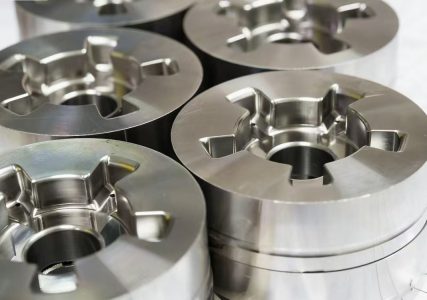
What is Precision Metal Processing? A Complete Guide to 2025 Introduction to Advanced Manufacturing Techniques
In the ever-evolving landscape of modern manufacturing, the demand for components with exact specifications has never been higher. As industries push the boundaries of what’s possible, advanced manufacturing techniques have become essential for producing high-quality, reliable products. Among these techniques, precision metal processing stands out as a critical capability for manufacturers serving industries where accuracy and consistency are paramount.
Understanding Precision Metal Processing
Definition and Core Principles
Precision metal processing refers to the specialized manufacturing processes used to create metal components with extremely tight tolerances and high accuracy. This advanced manufacturing approach combines state-of-the-art machinery, sophisticated software, and expert craftsmanship to produce parts that meet exact specifications.
The core principles of precision metal processing include:
●
Tight Tolerances: Capable of achieving tolerances as tight as ±0.0001 inches
●
High Repeatability: Consistent production of identical parts across large batches
●
Material Versatility: Works with a wide range of metals including aluminum, stainless steel, titanium, and specialty alloys
●
Complex Geometries: Ability to create intricate shapes and features that would be impossible with conventional methods
The Evolution of Precision Manufacturing
Over the past decade, precision metal processing has undergone significant advancements. The integration of computer numerical control (CNC) technology, multi-axis machining centers, and advanced quality control systems has revolutionized the industry. Today’s precision manufacturers can produce components with unprecedented accuracy and efficiency.
According to industry reports, the global precision machining market is expected to grow at a CAGR of 7.2% from 2023 to 2030, driven by increasing demand from automotive, aerospace, medical, and electronics sectors.
Key Technologies in Precision Metal Processing
Computer Numerical Control (CNC) Machining
CNC machining represents the backbone of modern precision metal processing. These computer-controlled machines can execute complex operations with remarkable accuracy and consistency. The latest CNC centers feature:
●
Multi-Axis Capabilities: 5-axis and even 7-axis machines that can machine complex geometries in a single setup
●
High-Speed Machining: Spindle speeds exceeding 40,000 RPM for improved surface finishes and productivity
●
Advanced Tooling: Carbide and diamond-coated tools that maintain sharpness and accuracy over extended production runs
Swiss-Type Machining
For extremely small and precise components, Swiss-type machining offers unparalleled capabilities. This specialized form of CNC machining is particularly effective for:
●
Small Diameter Parts: Components as small as 0.005 inches in diameter
●
Long, Slender Parts: Excellent support for parts with high length-to-diameter ratios
●
Micro-Machining: Production of miniature components used in medical devices and electronics
Electrical Discharge Machining (EDM)
EDM technology uses electrical discharges to remove material from conductive metals. This process is ideal for:
●
Hard Materials: Machining of hardened steels and exotic alloys
●
Complex Shapes: Creating intricate cavities and features
●
No Mechanical Stress: Eliminates distortion that can occur with conventional machining
Applications Across Industries
Automotive Manufacturing
The automotive industry relies heavily on precision metal processing for critical components:
●
Engine Parts: Camshafts, crankshafts, and valve train components
●
Transmission Systems: Gears, shafts, and synchronizers
●
Safety Systems: ABS components and airbag mechanisms
According to automotive industry data, over 80% of engine components require precision machining to meet performance and safety standards.
Medical Device Production
In the medical field, precision is not just important – it’s a matter of life and death. Precision metal processing enables:
●
Surgical Instruments: Scalpels, forceps, and specialized tools
●
Implants: Hip and knee replacements, dental implants
●
Diagnostic Equipment: Components for MRI machines and surgical robots
The medical device industry demands tolerances as tight as ±0.0005 inches for many critical components.
Aerospace and Defense
Aerospace applications push the limits of precision metal processing:
●
Turbine Blades: Complex airfoil geometries with tight dimensional control
●
Landing Gear: High-strength components that must withstand extreme stresses
●
Avionics: Miniature connectors and housings for sensitive electronics
Aerospace components often require materials like titanium and Inconel that are challenging to machine but essential for performance.
The Precision Metal Processing Workflow
Design and Engineering
The process begins with detailed design and engineering:
1.
CAD Modeling: Creation of 3D models with exact specifications
2.
DFM Analysis: Design for manufacturability review to optimize for precision machining
3.
Simulation: Virtual machining to identify potential issues before production
Material Selection and Preparation
Choosing the right material is critical:
●
Material Certification: Ensuring materials meet required specifications and standards
●
Heat Treatment: Annealing or stress-relieving processes to optimize machinability
●
Stock Preparation: Cutting raw material to optimal sizes for machining
Machining and Quality Control
The core manufacturing process involves:
●
Multi-Stage Machining: Roughing, semi-finishing, and finishing operations
●
In-Process Inspection: Real-time measurements to ensure quality
●
Final Inspection: Comprehensive quality checks using coordinate measuring machines (CMM)
Post-Processing and Finishing
Final steps include:
●
Deburring: Removal of sharp edges and burrs
●
Surface Treatment: Anodizing, plating, or coating as required
●
Assembly: Integration of multiple precision components
Quality Assurance in Precision Manufacturing
Metrology and Inspection
Advanced metrology is essential for precision metal processing:
●
Coordinate Measuring Machines (CMM): 3D measurement systems with micron-level accuracy
●
Optical Comparators: Non-contact inspection of complex geometries
●
Surface Roughness Testers: Quantitative measurement of surface finishes
Statistical Process Control (SPC)
SPC techniques ensure consistent quality:
●
Real-Time Monitoring: Continuous data collection during production
●
Process Capability Analysis: Statistical evaluation of process performance
●
Corrective Actions: Immediate adjustments to maintain quality standards
Advantages of Precision Metal Processing
Enhanced Product Performance
Components produced through precision metal processing offer:
●
Improved Reliability: Consistent performance under demanding conditions
●
Longer Lifespan: Reduced wear and fatigue due to precise fit and finish
●
Better Efficiency: Optimized designs that improve overall system performance
Cost Savings
While precision manufacturing may have higher initial costs, it delivers long-term savings:
●
Reduced Scrap: High first-pass yield rates minimize material waste
●
Lower Maintenance: Precision components require less frequent replacement
●
Improved Assembly: Components fit perfectly, reducing assembly time and costs
Competitive Advantage
Companies utilizing precision metal processing gain:
●
Market Differentiation: Ability to offer higher quality products
●
Customer Satisfaction: Reliable performance that builds brand loyalty
●
Innovation Capability: Freedom to design more advanced and capable products
Choosing the Right Precision Metal Processing Partner
Technical Capabilities
When selecting a precision manufacturing partner, consider:
●
Equipment Modernity: State-of-the-art machinery with advanced capabilities
●
Technical Expertise: Experienced engineers and machinists
●
Quality Systems: Robust quality assurance processes and certifications
Industry Experience
Look for partners with:
●
Domain Knowledge: Understanding of your specific industry requirements
●
Proven Track Record: Successful history of similar projects
●
Customer References: Willingness to provide references and case studies
Service and Support
Evaluate:
●
Communication: Responsive and transparent communication
●
Flexibility: Ability to handle both prototyping and production volumes
●
Value-Added Services: Engineering support, supply chain management, etc.
The Future of Precision Metal Processing
Emerging Technologies
The industry is evolving with:
●
Additive Manufacturing Integration: Combining 3D printing with precision machining
●
Artificial Intelligence: AI-driven process optimization and predictive maintenance
●
Industry 4.0: Smart factories with interconnected systems and real-time data analytics
Sustainability Trends
Environmental considerations are shaping the future:
●
Green Machining: Techniques to reduce energy consumption and waste
●
Recyclable Materials: Increased use of sustainable and recyclable metals
●
Waste Reduction: Advanced techniques to minimize material waste
Global Market Trends
The precision metal processing market is expected to:
●
Continue Growth: Driven by automotive electrification and medical device innovation
●
Regional Shifts: Increasing capacity in emerging markets
●
Consolidation: Mergers and acquisitions creating larger, more capable manufacturers
Why Choose Huazhi Mould for Your Precision Manufacturing Needs
Huazhi Mould stands out as a leader in precision metal processing, offering:
Comprehensive Capabilities
With state-of-the-art facilities and equipment, we provide:
●
Full-Service Solutions: From design and prototyping to production and assembly
●
Advanced Technologies: Latest CNC machines, EDM systems, and quality control equipment
●
Material Expertise: Extensive experience with a wide range of metals and alloys
Industry-Specific Expertise
Our team has deep knowledge in:
●
Automotive: Components for traditional and electric vehicles
●
Medical: Precision parts for surgical instruments and implants
●
Industrial Equipment: High-performance components for machinery and tools
Commitment to Quality
We maintain the highest standards through:
●
Certifications: ISO 9001, IATF 16949, and other industry-specific certifications
●
Advanced Metrology: Comprehensive inspection capabilities with CMM and other precision measuring equipment
●
Continuous Improvement: Ongoing investment in technology and process optimization
Customer-Centric Approach
At Huazhi Mould, we prioritize:
●
Partnership: Working closely with customers as true partners
●
Innovation: Collaborating on design improvements and cost-saving solutions
●
Reliability: Consistently delivering high-quality products on time
Frequently Asked Questions (FAQ)
What industries benefit most from precision metal processing?
Precision metal processing serves a wide range of industries, with the most significant applications in automotive, medical device manufacturing, aerospace, electronics, and industrial equipment. Each industry has unique requirements that precision manufacturing can address.
What are typical tolerances achieved in precision metal processing?
Depending on the process and material, precision metal processing can achieve tolerances as tight as ±0.0001 inches (2.5 microns). Most applications require tolerances in the ±0.001 to ±0.005 inch range.
How does precision metal processing differ from conventional machining?
Precision metal processing uses advanced CNC equipment, sophisticated quality control systems, and specialized techniques to achieve much tighter tolerances and higher consistency than conventional machining methods.
What materials can be processed with precision metal processing?
A wide range of metals can be precision processed, including aluminum alloys, stainless steels, carbon steels, titanium, copper alloys, and specialty materials like Inconel and Hastelloy.
What is the typical lead time for precision metal processing projects?
Lead times vary based on project complexity, volume, and material availability. Typical lead times range from 2-4 weeks for prototypes to 6-12 weeks for production quantities, though expedited options are often available.
How can I ensure my design is suitable for precision metal processing?
Work with experienced engineers who can provide design for manufacturability (DFM) feedback. Consider factors like material selection, tolerances, and feature complexity to optimize your design for precision manufacturing.https://www.huazhimould.com
Conclusion
Ready to take your products to the next level with precision manufacturing? Contact Huazhi Mould today to discuss your precision metal processing requirements and discover how our expertise can help you achieve your manufacturing goals. Visit our website at Huazhi Mould or call us directly to speak with our precision manufacturing specialists.