
Precision Metal Processing Guide 2025: Tech & Benefits | Huazhi
Precision metal processing refers to advanced manufacturing techniques that shape and form metal materials with exceptionally tight tolerances, high accuracy, and superior surface finishes. Unlike conventional metalworking, precision metal processing relies on computer-controlled machinery, sophisticated tooling, and rigorous quality control to produce components that meet exact design specifications. This field is pivotal in industries where minor deviations can lead to significant functional failures, such as aerospace, medical devices, automotive, and electronics. As we move into 2025, the evolution of precision metal processing continues to drive innovation, efficiency, and sustainability in manufacturing.
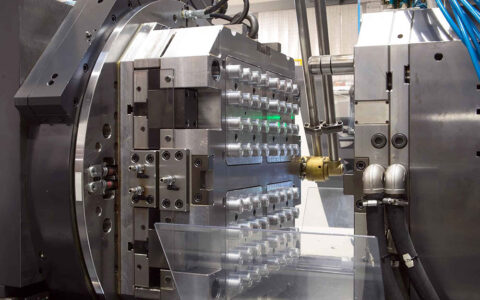
Chapter 1: Core Technologies in Precision Metal Processing
CNC Machining: The Backbone of Precision
Computer Numerical Control (CNC) machining stands at the forefront of precision metal processing. Utilizing pre-programmed software, CNC machines direct the movement of tools to cut, drill, and shape metal with micron-level accuracy. Key advantages include:
- High Repeatability: Once a program is set, identical parts can be produced consistently.
- Complex Geometries: Capable of creating intricate shapes that are impossible with manual machining.
- Material Versatility: Effective on metals like aluminum, steel, titanium, and brass.
CNC milling and turning are the most common subtypes, enabling the production of everything from engine components to surgical instruments.
Laser Cutting and Engraving: Unmatched Finesse
Laser technology offers a non-contact, high-precision method for cutting and marking metals. By focusing a high-power laser beam, materials are melted, burned, or vaporized along the cut line.
- Extreme Precision: Kerf widths can be as small as 0.1mm, minimizing material waste.
- Clean Edges: Produces smooth cuts without burrs, often eliminating the need for secondary finishing.
- Speed and Automation: Ideal for high-volume production of intricate parts and designs.
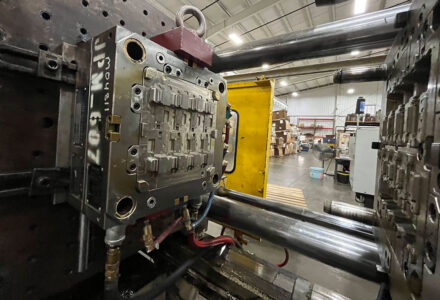
Precision Metal Processing
Electrical Discharge Machining (EDM): For the Toughest Jobs
EDM, particularly wire EDM and sinker EDM, is used to mold hard metals or create complex cavities. It uses electrical sparks to erode material, making it perfect for:
- Hardened Steels and Alloys: Machining materials that are difficult for traditional tools.
- Intricate Dies and Molds: Essential in tool and die making for injection molding or stamping.
- Sharp Internal Corners: Achieving geometries that other processes cannot.
Chapter 2: The Step-by-Step Precision Metal Processing Workflow
1. Design and Engineering Analysis
The process begins with a detailed 3D CAD model. Engineers perform feasibility analyses, simulating the machining process to identify potential issues like tool interference or stress points, ensuring the design is optimized for precision metal processing.
2. Material Selection and Preparation
Choosing the right metal alloy—based on strength, weight, corrosion resistance, and cost—is critical. The raw material, typically in the form of bars, sheets, or blocks, is then prepared and securely fastened to the machine bed.
3. Programming and Machine Setup
Technicians translate the CAD model into machine-readable code (G-code). This step involves selecting cutting tools, defining paths, and setting parameters like speed and feed rate. Proper setup is paramount for accuracy.
4. Machining and In-Process Monitoring
The automated machining begins. Modern shops use sensors and probes for real-time monitoring, adjusting for tool wear or thermal drift to maintain precision throughout the production run.
5. Quality Control and Finishing
Post-machining, parts undergo rigorous inspection using Coordinate Measuring Machines (CMM), optical scanners, and surface profilometers. After verification, secondary processes like deburring, polishing, anodizing, or plating are applied to meet final specifications.
Chapter 3: Key Industries Revolutionized by Precision Metal Processing
- Aerospace & Defense: Manufacturing turbine blades, landing gear components, and satellite parts where safety and performance are non-negotiable.
- Medical & Surgical: Producing biocompatible implants (e.g., knee joints, spinal rods), surgical tools, and diagnostic equipment requiring sterile, flawless finishes.
- Automotive: Enabling lightweighting with precise engine components, transmission parts, and EV battery enclosures for better efficiency and performance.
- Electronics & Telecommunications: Creating heat sinks, connectors, and shielding for smartphones, 5G infrastructure, and computing devices.
Chapter 4: Why Choose Zhenqiang for Your Precision Metal Processing Needs?
In a market filled with options, Huazhi Mould (Zhenqiang) stands out as a partner dedicated to excellence. Here’s why discerning clients choose us:
- State-of-the-Art Technology: We invest in the latest multi-axis CNC machines, EDM, and laser systems to guarantee cutting-edge precision.
- Uncompromising Quality Assurance: Our in-house quality lab, equipped with advanced CMMs, ensures every part meets the strictest international standards.
- Expert Engineering Support: Our team works with you from concept to completion, offering Design for Manufacturability (DFM) insights to optimize your part for cost and performance.
- Commitment to Timely Delivery: We understand your supply chain deadlines and have streamlined our processes to deliver high-quality parts on time, every time.
- Scalable Solutions: Whether you need a single prototype or full-scale production runs, we have the capacity and flexibility to support your project’s lifecycle.
FAQ: Precision Metal Processing Answered
Q: What are the typical tolerances achievable in precision metal processing?
A: Standard machining can hold tolerances around ±0.005 inches (±0.127mm). High-precision machining can achieve tolerances as tight as ±0.0005 inches (±0.0127mm) or even finer for specific applications.
Q: Which is better for my project: CNC machining or 3D printing in metal?
A: CNC machining is superior for parts requiring the highest strength, finest surface finish, and tightest tolerances from solid metal. Metal 3D printing (Additive Manufacturing) is better for extremely complex, lightweight internal geometries that are impossible to machine. The choice depends on your design, material, and performance requirements.
Q: How do you ensure consistency in large production runs?
A: We employ Statistical Process Control (SPC), automated tool wear monitoring, and regular in-process inspections. Our machines are calibrated in controlled environments to minimize thermal expansion, ensuring the first part is identical to the thousandth.
Q: What file formats do you require for a quote?
A: We prefer 3D CAD files in STEP or IGES format, along with a 2D drawing (PDF or DWG) specifying critical dimensions, tolerances, material, and surface finish requirements.
Q: Can you handle post-processing and assembly?
A: Yes. We offer a full suite of secondary services including anodizing, powder coating, heat treatment, and simple assembly, providing a true turnkey solution.
Conclusion
Precision metal processing is the invisible engine powering modern innovation across critical industries. As we look toward 2025, advancements in automation, AI-driven process optimization, and sustainable practices will further enhance its capabilities. Understanding the technologies, workflows, and partner selection criteria is essential for any business relying on high-quality metal components.
Ready to transform your designs into reality with flawless precision? Contact the experts at Huazhi Mould today for a confidential consultation and quote. Let’s build the future, precisely.