
What is Precision Metal Processing? A Complete Guide to 2026
Precision metal processing stands as a foundational pillar of contemporary manufacturing, merging cutting-edge automation, data-driven engineering, and rigorous quality governance to deliver metal components with ultra-tight dimensional tolerances, flawless surface finishes, and unwavering performance consistency. This comprehensive 2026 guide explores the core definition, practical applications, and latest technological breakthroughs of precision metal processing, equipping manufacturing professionals with the knowledge to select the right processing solutions for their projects. For businesses sourcing custom injection molds for automotive, medical, and consumer electronics applications, Huazhi Mould (华志模具) brings 20+ years of specialized expertise in designing and manufacturing precision molds built to meet the strictest standards of modern precision metal processing. Explore our full range of mold design and manufacturing capabilities here. From tiny electronic connectors to large structural automotive components, the accuracy of the final part starts with the precision of the manufacturing tooling, making high-quality mold work an essential first step in any precision metal processing project.
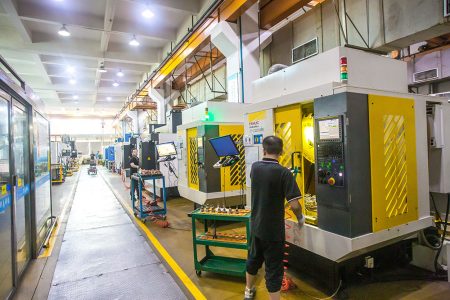
Understanding Precision Metal Processing: Core Definition in 2026
At its core, Precision Metal Processing refers to a collection of advanced manufacturing techniques that shape metal raw materials into finished components with extremely low tolerance for dimensional error. In 2026, industry standards for precision have tightened significantly, with many applications requiring tolerances as small as ±0.001mm – a level of accuracy that was unachievable for high-volume production just a decade ago. Unlike general metal fabrication, which focuses on basic shaping and cutting, every step in precision metal processing is controlled to eliminate deviations, maintain consistent material properties, and meet the functional requirements of high-performance end products.
The key distinguishing characteristics of modern precision metal processing include:
- Ultra-tight tolerance control: Most commercial precision applications require tolerances between 0.001mm and 0.01mm, compared to 0.1mm to 1mm for general metal processing
- Advanced computer-controlled equipment: Almost all steps are automated with CNC systems, AI-driven monitoring, and real-time quality adjustment
- Multi-step quality verification: Every critical dimension is inspected at multiple stages of production to catch errors before they become finished defects
- Consistency across high-volume production: Modern precision metal processing maintains uniform quality across thousands or millions of identical components, which is essential for automotive, electronics, and medical mass production.
For companies that produce injection molded metal and plastic parts, the mold itself is a product of top-tier precision metal processing. The cavity and core of an injection mold must match the design perfectly, with no deviations that would transfer to the finished part. Huazhi Mould specializes in manufacturing these precision molds for leading global brands, drawing on decades of experience to deliver tooling that meets the strictest precision metal processing standards.
Common Techniques Used in Modern Precision Metal Processing (2026 Update)
The precision metal processing industry has evolved rapidly in recent years, with new technologies expanding the range of capabilities for manufacturers. In 2026, the most widely used techniques combine traditional machining with digital innovation to deliver accuracy, efficiency, and cost-effectiveness.
CNC Machining (Multi-Axis)
Multi-axis CNC machining remains the workhorse of precision metal processing, with 5-axis and 6-axis machines now standard for complex components. These machines can rotate the cutting tool or work piece along multiple axes in a single setup, eliminating the need for multiple re-fixturing steps that can introduce errors. This makes multi-axis CNC ideal for producing complex mold cavities, aerospace components, and automotive parts with intricate internal geometries. Modern 5-axis machines can achieve positioning accuracy of 0.002mm or better, meeting the strictest requirements for 2026 precision applications. Explore our guide to how 5-axis machining improves injection mold precision.
Electrical Discharge Machining (EDM)
EDM is a non-contact precision metal processing technique that uses electrical sparks to erode metal into the desired shape. It is particularly useful for producing extremely hard materials, intricate sharp corners, and small deep cavities that cannot be achieved with traditional cutting tools. In mold manufacturing, sinker EDM is commonly used to create detailed features in injection mold cavities, ensuring that every detail of the finished part is reproduced perfectly. With modern CNC-controlled EDM machines, manufacturers can achieve surface finishes as smooth as Ra 0.1μm, eliminating the need for additional polishing steps in many cases.
Laser Cutting & Welding
Laser technology has become a core part of precision metal processing in 2026, with fiber lasers offering unmatched accuracy for cutting thin to medium thickness metal sheets. Laser cutting produces clean, burr-free edges with minimal heat affected zone, reducing the need for post-processing and preventing material distortion. For welding, laser welding creates narrow, deep welds with minimal heat input, making it ideal for joining thin metal components in precision assemblies. This technique is widely used in the production of EV battery components and medical devices, where heat distortion cannot be tolerated. You can check the latest industry advances in precision laser processing from leading manufacturing media (external industry resource).
Precision Grinding & Honing
Grinding and honing are finishing precision metal processing techniques used to achieve extremely smooth surfaces and ultra-tight dimensional tolerances. Precision grinding can achieve surface finishes of Ra 0.025μm, which is required for sealing surfaces, bearing races, and mold parting lines. Honing is used to achieve the perfect roundness and surface finish for cylindrical components like cylinder liners and hydraulic valves, ensuring long service life and consistent performance.
Additive Manufacturing (Metal 3D Printing)
Additive manufacturing has grown into a complementary technique for precision metal processing in 2026, particularly for low-volume production of complex lightweight components with internal structures that cannot be produced with traditional machining. For mold making, additive manufacturing is often used to produce mold inserts with conformal cooling channels, which reduce cycle time and improve part quality by maintaining a more uniform temperature during the injection molding process. While additive manufacturing still cannot match the surface finish and tolerance of traditional CNC machining for most applications, it offers unique capabilities that expand the range of what is possible with modern precision metal processing.
Key Industries Relying on Precision Metal Processing in 2026
The demand for high-quality precision metal processing has grown exponentially in 2026, driven by the rapid development of high-tech industries that require increasingly tight tolerances and consistent performance. Some of the largest consumers of precision metal processing services include:
- Automotive & Electric Vehicles (EV): Modern vehicles contain thousands of precision metal components, from engine parts and transmission gears to battery casings and sensor housings for autonomous driving systems. For EVs, the battery management system, power electronics, and motor components all require precision metal processing to ensure safety, efficiency, and long service life. Leading automotive brands rely on precision injection molds from manufacturers like Huazhi Mould to mass produce high-quality plastic and metal components for new vehicle models, delivering consistency across millions of units.
- Medical Devices & Healthcare: Medical devices require the highest level of accuracy in precision metal processing, as even a small dimensional error can compromise patient safety. Surgical instruments, orthopedic implants, pacemaker components, and diagnostic equipment all rely on precision machined metal parts. Injection molds for medical plastic components must also meet extremely tight tolerances to ensure proper fit and function, which is why medical device companies partner with experienced mold makers that understand the strict requirements of the industry.
- Aerospace & Defense: Aerospace components must withstand extreme temperatures, pressures, and mechanical stresses while maintaining light weight, making precision metal processing absolutely critical. Aircraft engine parts, landing gear components, and satellite structures all require ultra-precise machining to meet aerospace industry standards, with tolerances often measured in microns.
- Consumer Electronics & Semiconductors: The ongoing trend toward miniaturization in consumer electronics has driven demand for ever tighter tolerances in precision metal processing. Smartphone frames, camera components, and connectors require precision machining to fit into increasingly compact designs. For the semiconductor industry, processing equipment components require extremely high accuracy and purity, with many parts requiring tolerances of less than 1 micron to ensure proper function of chip manufacturing equipment.
- Home Appliances: Modern home appliances combine aesthetic design with functional reliability, requiring precision metal components for moving parts, sealing systems, and structural elements. Huazhi Mould has extensive experience producing precision injection molds for leading home appliance brands, leveraging top-tier precision metal processing techniques to deliver molds that produce thousands of defect-free parts per day.
Quality Assurance in 2026 Precision Metal Processing
Quality assurance is an integral part of any professional precision metal processing operation in 2026, with advanced metrology and digital inspection tools now standard across the industry. Leading manufacturers use a range of techniques to ensure every component meets the required specifications:
- Coordinate Measuring Machines (CMM): CMMs use a probe to measure the three-dimensional coordinates of points on a component’s surface, allowing for extremely accurate measurement of complex geometries and critical dimensions. Modern bridge-type CMMs can achieve measurement accuracy of less than 0.5 microns, making them ideal for verifying precision machined components and molds.
- Optical 3D Scanning: Non-contact optical scanning allows manufacturers to capture the entire surface geometry of a component in minutes, comparing it directly to the original CAD model to identify any deviations. This is particularly useful for inspecting complex freeform surfaces like mold cavities and aerodynamic components.
- Statistical Process Control (SPC): SPC uses real-time data collected from production equipment to monitor process variation and detect potential issues before they result in defective parts. This data-driven approach ensures consistent quality across high-volume production runs, which is essential for industries like automotive that require zero defects.
- In-line automated inspection: Many modern precision metal processing lines integrate automated inspection systems directly into the production flow, checking every part for defects and dimensional accuracy without slowing down production. This reduces the risk of defective parts reaching customers and improves overall production efficiency.
For mold making, quality assurance is even more critical, as a single defect in the mold will result in every molded part being defective. That’s why Huazhi Mould incorporates multi-step inspection into every stage of mold manufacturing, starting from raw material incoming inspection through to final machining verification before delivery. Learn more about our quality assurance process.
Latest Trends Shaping Precision Metal Processing in 2026
The precision metal processing industry continues to evolve in 2026, driven by digital transformation, sustainability requirements, and the growing demand for higher precision from end customers. The key trends shaping the industry this year include:
1. AI-Driven Process Optimization
Artificial intelligence is now widely integrated into precision metal processing equipment, with AI algorithms monitoring cutting conditions in real time, adjusting parameters to optimize tool life and surface finish, and predicting potential tool failures before they occur. This reduces unplanned downtime, improves quality consistency, and lowers production costs for manufacturers. For example, AI can adjust cutting speed and feed rate based on the hardness of the raw material, automatically compensating for variations that would otherwise lead to dimensional errors.
2. Digital Twin Technology
Digital twins create a virtual replica of the entire precision metal processing workflow, allowing manufacturers to simulate the machining process, identify potential collisions or errors, and optimize cutting paths before any physical work begins. This reduces setup time, eliminates trial and error, and ensures that the first part produced meets specifications. For custom mold making, digital twin technology can cut lead times by 15-20% while improving final accuracy.
3. Sustainability and Green Manufacturing
Sustainability has become a key priority for the precision metal processing industry in 2026, with manufacturers adopting energy-efficient equipment, recycling metal scrap and cutting fluids, and reducing waste through optimized process planning. Many leading companies are now investing in regenerative CNC systems that capture kinetic energy during braking and feed it back into the grid, reducing overall energy consumption by up to 30%. For mold makers, sustainable precision metal processing also means designing molds for longer service life and easier recycling at the end of their use.
4. Fully Automated Lights-Out Production
More and more precision metal processing facilities are adopting fully automated lights-out production, where robots handle loading and unloading of work pieces, and machines run 24/7 without direct human supervision. This increases production capacity, reduces labor costs, and improves quality consistency by eliminating human error. For high-volume precision components, lights-out production can reduce unit costs by 20-25% compared to traditional manned production.
Why Choose Huazhi Mould for Your Precision Mold Needs
Huazhi Mould is a leading professional manufacturer of precision injection molds based in Zhongshan, China, founded in 2006, with two decades of experience specializing in the design and manufacturing of small to large precision molds for automotive, home appliance, medical, and aerospace applications. Our expertise in precision metal processing ensures that every mold we produce meets the strictest quality standards, delivering consistent performance for high-volume production.
- Proven Track Record with Global Brands: We have established long-term partnerships with world-leading automotive brands including Honda, Toyota, Nissan, General Motors, Ford, Volkswagen, and Chrysler, delivering thousands of precision molds that meet the exacting requirements of the global automotive industry. Our commitment to quality and on-time delivery has earned us high praise from customers around the world.
- State-of-the-Art Precision Equipment: We invest continuously in the latest precision metal processing equipment, including multi-axis CNC machining centers, EDM machines, and high-accuracy CMM inspection systems to ensure that every mold we produce achieves the tight tolerances required by modern manufacturing.
- End-to-End Engineering Support: We work with customers from initial design for manufacturing (DFM) analysis through to final mold testing and delivery, providing full technical support to optimize your mold design for performance, cost, and manufacturability. Contact our engineering team to discuss your project.
- Commitment to Stakeholder Satisfaction: We are committed to delivering the highest quality to our customers, providing a safe, rewarding working environment for our employees, and contributing to the community through active participation in social welfare initiatives. This commitment ensures that we maintain the highest standards of professionalism and ethics in everything we do.
Frequently Asked Questions (FAQ)
What is Precision Metal Processing?
Precision Metal Processing is a collection of advanced manufacturing techniques that produce metal components with extremely tight dimensional tolerances and high surface quality. It is used to produce components for industries that require high accuracy and consistent performance, including automotive, medical, aerospace, and electronics.
How tight are tolerances in modern precision metal processing?
In 2026, most commercial precision metal processing applications require tolerances between 0.001mm and 0.01mm, compared to 0.1mm to 1mm for general metal fabrication. For specialized applications like semiconductor equipment, tolerances can be even tighter, often less than 0.5 microns.
How does precision metal processing relate to injection mold manufacturing?
Injection molds are themselves made through precision metal processing, as the cavity and core of the mold must match the design exactly to produce defect-free molded parts. Any deviation in the mold dimensions will transfer to the finished molded part, so high-quality precision metal processing is essential for producing reliable, long-lasting injection molds.
What industries does Huazhi Mould serve?
Huazhi Mould serves a wide range of industries including automotive, consumer electronics, home appliances, medical devices, and aerospace. We specialize in producing precision injection molds for all of these sectors, drawing on our deep expertise in precision metal processing to meet the unique requirements of each industry.
Can Huazhi Mould handle large, complex mold projects?
Yes, we have the equipment and expertise to design and manufacture small to large precision injection molds for a wide range of applications. Our facility is equipped with large-capacity precision machining equipment that can handle molds up to several tons in weight, while maintaining the strict tolerances required for high-quality molding.
Conclusion
Precision metal processing is a critical enabler of modern manufacturing, powering the production of high-quality components for everything from electric vehicles to life-saving medical devices. In 2026, continuing technological advances in AI, digitalization, and automation have pushed the boundaries of what is possible, allowing manufacturers to achieve tighter tolerances, better consistency, and lower costs than ever before. For businesses that need high-quality precision injection molds, the quality of the mold depends entirely on the precision metal processing expertise of the mold maker.
At Huazhi Mould, we have spent 20 years refining our precision metal processing capabilities to deliver molds that meet the strictest standards of global manufacturing brands. Whether you need a precision mold for automotive components, home appliances, or medical devices, we have the expertise, equipment, and experience to deliver a high-quality solution on time and on budget.
Ready to start your next precision mold project? Contact our team today for a free consultation and quote, and let us show you how our expertise in precision metal processing can help bring your product design to life