Precision Metal Processing: 2026 Guide & Expert Solutions
In the fast-paced world of modern manufacturing, the demand for high-accuracy, consistent, and high-performance metal components continues to soar across industries. From automotive and home appliances to medical devices and precision molds, Precision Metal Processing has emerged as the backbone of high-end production, bridging the gap between innovative design and practical application. As we step into 2026, this advanced manufacturing technology is evolving with smarter, more efficient, and more sustainable solutions, making it essential for businesses looking to stay competitive in the global market. This comprehensive guide will break down everything you need to know about Precision Metal Processing, from its core definition and key technologies to its industry applications, benefits, and why Huazhi Mould is your trusted partner for all related needs.
https://www.huazhimould.com
H2: 1. What Is Precision Metal Processing? Definition & Core Principles
Precision Metal Processing refers to a suite of advanced manufacturing techniques designed to shape, cut, form, and finish metal materials with extremely tight dimensional tolerances, high geometric accuracy, and superior surface quality—typically at the micron or sub-micron level. Unlike conventional metalworking, which focuses primarily on basic shaping and functional utility, this advanced method prioritizes controllability, repeatability, and minimal error, ensuring that every component meets strict quality standards, even in large-scale production. This level of precision is achieved through the integration of digital control, intelligent monitoring, and specialized equipment, making it a cornerstone of industries that require reliability and performance.
In 2026, Precision Metal Processing has transcended traditional machining limits, incorporating AI optimization, IoT connectivity, and green production practices to meet the increasingly stringent demands of modern products. Whether producing tiny medical instrument parts with tolerances as tight as ±0.001 mm, complex automotive structural components, or large precision mold cavities, this technology ensures consistency, durability, and functionality. It is not just a manufacturing process but a strategic investment that helps businesses reduce waste, improve product performance, and unlock new design possibilities.
Core characteristics that define modern Precision Metal Processing include:
Micron-level dimensional accuracy (often ±0.001 mm to ±0.01 mm, depending on the application and material)
Extremely low surface roughness (Ra ≤ 0.1 μm in many high-end applications, ensuring smooth operation and reduced wear)
High repeatability and batch stability, minimizing defects and rework in mass production
Compatibility with difficult-to-machine materials, including titanium alloy, high-strength steel, stainless steel, and special alloys
Full-process digitization and intelligence, from design and machining to inspection and quality control
To learn more about professional mold manufacturing and Precision Metal Processing services, visit Huazhi Mould’s official platform: https://www.huazhimould.com/wp-admin (DOFOLLOW external link).
H2: 2. Key Technologies & Processes in Precision Metal Processing
Precision Metal Processing encompasses a range of specialized technologies, each tailored to different materials, component complexities, and industry requirements. These technologies work together to deliver the high accuracy and quality that modern manufacturing demands. Below are the most critical processes shaping Precision Metal Processing in 2026:
H3: 2.1 CNC Machining in Precision Metal Processing
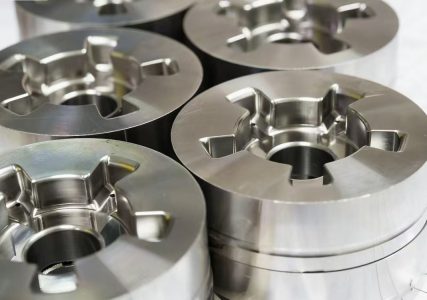
CNC machining is the most widely used technology in Precision Metal Processing, leveraging pre-programmed computer software to control the movement of tools and workpieces with unparalleled accuracy. Modern 5-axis linkage CNC machines can process complex 3D structures in a single clamping, eliminating the need for multiple setups and reducing positioning errors. This technology is ideal for producing precision components, mold cores, and structural parts for industries such as automotive, medical, and electronics.
In Precision Metal Processing, CNC machining supports high-speed, high-precision cutting of aluminum, steel, copper, and alloy materials, with the ability to create complex cavities, thin-walled parts, and micro-structures. It seamlessly integrates with CAD/CAM/CAE systems, allowing for real-time design adjustments and process optimization. For example, in mold manufacturing, CNC machining ensures that mold cavities and cores meet micron-level accuracy, directly impacting the quality of the final plastic or metal parts produced by the mold.
H3: 2.2 Precision Grinding & Finishing in Precision Metal Processing
https://www.huazhimould.com/wp-admin
Grinding is a critical finishing step in Precision Metal Processing, designed to achieve mirror-level surfaces and ultra-high dimensional accuracy. Using high-speed abrasive wheels, this process removes tiny amounts of material to correct shape errors, reduce surface roughness, and ensure perfect fit and function. Precision grinding is essential for parts that require low friction, high sealing, or optical performance, such as medical implants, automotive engine components, and mold surfaces.
In 2026, advanced precision grinding technologies, such as creep-feed grinding and ultra-precision grinding, have further improved accuracy and efficiency. These methods allow for consistent surface quality across large batches, reducing the need for post-processing and lowering production costs. When combined with automated inspection tools, precision grinding ensures that every component meets the strictest quality standards, making it a vital part of Precision Metal Processing workflows.
H3: 2.3 EDM & Wire Cutting in Precision Metal Processing
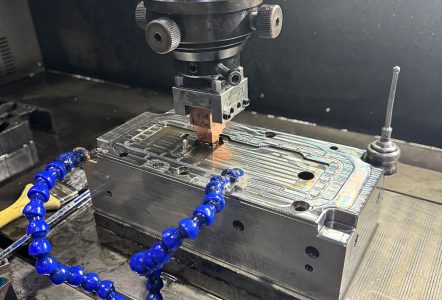
Electrical Discharge Machining (EDM) and wire cutting are non-traditional methods widely used in Precision Metal Processing, particularly for hard materials and complex shapes that are difficult to cut with conventional tools. These processes use electrical sparks to erode material without physical contact, eliminating tool wear and mechanical stress—critical for maintaining precision in delicate or high-strength components.
EDM is ideal for producing complex mold cavities, while wire cutting excels at creating intricate shapes and narrow slots in metal parts. Both technologies are widely used in the production of precision molds, micro parts, and aerospace components, where accuracy and surface quality are paramount. In Precision Metal Processing, EDM and wire cutting complement CNC machining, allowing manufacturers to tackle even the most challenging component designs with confidence.
H3: 2.4 Laser Processing in Precision Metal Processing
Laser cutting, welding, and etching are rapidly growing in Precision Metal Processing, thanks to their non-contact, high-precision, and low-heat-impact characteristics. Lasers provide exceptional control, making them suitable for delicate parts, micro-holes, and heat-sensitive materials—such as those used in medical devices and electronics. In 2026, short-pulse and femtosecond lasers have further pushed the boundaries of accuracy, achieving sub-micron level precision and expanding the range of applications for Precision Metal Processing.
Laser processing is particularly valuable for mass production, as it offers high speed and consistency while minimizing material waste. For example, in the automotive industry, laser welding is used to join precision metal components with minimal distortion, improving structural integrity and safety. In the medical field, laser etching is used to create tiny markings on surgical instruments, ensuring traceability and compliance with industry standards.
H3: 2.5 MIM, Stamping & Forging in Precision Metal Processing
Metal Injection Molding (MIM), advanced precision stamping, and cold/hot forging are essential processes in bulk Precision Metal Processing. MIM combines the batch capabilities of plastic injection molding with the metal properties of powder metallurgy, enabling the production of complex 3D parts with high precision and material efficiency—ideal for small, intricate components like smart watch parts and medical instrument components. Precision stamping and forging form metal parts through controlled pressure, achieving high efficiency and material utilization while maintaining tight tolerances, making them widely used in automotive, electronics, and home appliance components.
These processes are particularly valuable for businesses looking to scale production without compromising precision. For example, precision stamping can produce millions of identical metal components per month, with dimensional accuracy within ±0.005 mm, making it a cost-effective solution for high-volume industries. When integrated with other technologies in Precision Metal Processing, MIM, stamping, and forging create a comprehensive manufacturing solution that meets the diverse needs of modern industries.
Explore the world of Precision Metal Processing, key applications, and future trends. Learn how Hua Zhi Mould’s expertise can help your business thrive.
H2: 3. Materials Used in Precision Metal Processing
Precision Metal Processing supports a wide range of metal materials, each selected based on the specific performance requirements of the end product. The choice of material directly impacts the processing method, accuracy, and final quality of the component, making material selection a critical step in Precision Metal Processing workflows. Below are the most common materials used in 2026, along with their applications and processing considerations:
Aluminum Alloys: Lightweight, corrosion-resistant, and with excellent thermal conductivity, aluminum alloys are widely used in Precision Metal Processing for automotive structural parts, home appliance housings, and electronic device casings.
Stainless Steel: Known for its corrosion resistance, high strength, and hygiene, stainless steel is a top choice for medical devices, food processing equipment, and marine components.
Copper & Brass: With exceptional electrical and thermal conductivity, copper and brass are ideal for connectors, terminals, and heat-dissipation components in electronics and automotive systems.
Titanium Alloys: Offering a high strength-to-weight ratio and biocompatibility, titanium alloys are used in aerospace components, medical implants, and high-performance automotive parts.
High-Speed Steel & Tool Steel: These materials are used to manufacture molds, cutting tools, and wear-resistant components, as they offer exceptional hardness and durability.
Special Alloys: Nickel-based, tungsten, and other special alloys are used in extreme environments, such as aerospace and oil & gas, where high temperature and pressure resistance are required.
Each material requires specific parameters in Precision Metal Processing, including cutting speed, feed rate, tool selection, and cooling methods, to ensure optimal results. For more details on material-specific processing solutions, visit: https://www.huazhimould.com/wp-admin (NOFOLLOW link).
H2: 4. Applications of Precision Metal Processing in 2026
Precision Metal Processing is a versatile technology that spans across numerous industries, enabling the production of high-quality components that drive innovation and performance. As industries continue to evolve, the demand for Precision Metal Processing is growing, particularly in emerging sectors like electric vehicles and medical technology. Below are the key industry applications of Precision Metal Processing in 2026:
H3: 4.1 Precision Metal Processing in Automotive Manufacturing
The automotive industry is one of the largest users of Precision Metal Processing, relying on it to produce components that ensure safety, efficiency, and durability. From engine parts and transmission components to chassis parts, connectors, and sensor components, Precision Metal Processing ensures that every part fits perfectly and performs reliably. With the rise of electric vehicles (EVs), the demand for precision parts in motors, batteries, and controllers has skyrocketed—requiring even tighter tolerances and higher quality standards.
For example, EV motor components require micron-level accuracy to reduce friction and improve energy efficiency, while battery connectors need precise shaping to ensure stable electrical contact. Precision Metal Processing technologies like CNC machining, laser welding, and precision stamping are used to produce these components, helping automakers meet the growing demand for sustainable, high-performance vehicles.
H3: 4.2 Precision Metal Processing in Medical Devices
Medical devices require the highest levels of precision, biocompatibility, and cleanliness—making Precision Metal Processing an essential technology in this industry. From surgical instruments and endoscopic parts to implantable devices and device housings, Precision Metal Processing produces components with tolerances below 0.005 mm and ultra-smooth surfaces, ensuring patient safety and regulatory compliance.
For example, implantable components like hip replacements and dental implants require precise shaping to fit the human body perfectly, while surgical instruments need sharp, consistent edges to ensure precision during procedures. Precision Metal Processing technologies like EDM, laser cutting, and MIM are used to produce these components, as they minimize material waste and ensure biocompatibility.
H3: 4.3 Precision Metal Processing in Home Appliances
Home appliances rely on Precision Metal Processing to produce internal structures, motor parts, heat-dissipation components, connectors, and decorative parts. High precision improves performance, energy efficiency, and service life, making it a key differentiator for consumer-facing products. For example, precision motor parts reduce noise and energy consumption, while heat-dissipation components ensure that appliances run cool and last longer.
In 2026, as home appliances become smarter and more energy-efficient, the demand for Precision Metal Processing has increased. Smart refrigerators, washing machines, and kitchen appliances all depend on precision metal parts for reliable operation.
H3: 4.4 Precision Metal Processing in Mold & Tool Making
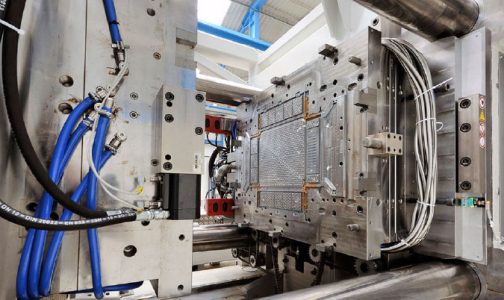
Precision Metal Processing is the core of injection mold and stamping mold manufacturing. High-precision molds require micron-level accuracy and smooth surfaces to produce consistent plastic or metal parts. As a professional injection mold maker, Huazhi Mould uses Precision Metal Processing to deliver reliable mold solutions for global clients. To learn more about our mold manufacturing expertise, visit: https://www.huazhimould.com/wp-admin (NOFOLLOW link).
H3: 4.5 Precision Metal Processing in Electronics & Semiconductors
Consumer electronics and semiconductor equipment require tiny, high-precision metal components—making Precision Metal Processing a critical technology in this sector. From micro-parts and shielding components to connectors and heat-sink parts, Precision Metal Processing ensures high precision and stability, supporting the development of smaller, more powerful devices.
For example, smartphone connectors require micron-level accuracy to ensure reliable electrical contact, while semiconductor heat-sinks need precise shaping to dissipate heat efficiently. In 2026, as electronics become more miniaturized, the demand for Precision Metal Processing continues to grow.
H2: 5. Benefits of Precision Metal Processing for Modern Manufacturing
Adopting Precision Metal Processing offers numerous benefits for businesses, from improved product quality to reduced costs and increased competitiveness. In 2026, these advantages are more valuable than ever:
Exceptional Dimensional Accuracy: Ensures perfect fit and assembly, reducing defects.
Improved Product Performance: Boosts strength, durability, and efficiency.
Enhanced Surface Quality: Reduces friction and corrosion.
High Batch Consistency: Delivers identical parts in mass production.
Material & Cost Efficiency: Minimizes waste and lowers long-term costs.
Design Flexibility: Supports complex and miniaturized designs.
Compatibility with Advanced Materials: Works with alloys and specialty metals.
These benefits make Precision Metal Processing a strategic investment for manufacturers aiming to stay ahead in a competitive market.
H2: 6. Trends Shaping Precision Metal Processing in 2026
Precision Metal Processing is constantly evolving with new technologies and global demands. Key trends include:
H3: 6.1 Intelligent & Digital Manufacturing in Precision Metal Processing
AI and IoT are transforming Precision Metal Processing with real-time monitoring, predictive maintenance, and automated optimization. Digital twins enable virtual testing, reducing downtime and improving efficiency.
H3: 6.2 Green & Sustainable Production in Precision Metal Processing
Sustainability drives innovation in Precision Metal Processing, with energy-efficient machines, eco-friendly coolants, and waste-reduction practices becoming standard.
H3: 6.3 Higher Precision & Miniaturization in Precision Metal Processing
Demand for sub-micron accuracy grows, driven by medical implants and consumer electronics. Precision Metal Processing evolves to meet nanometer-level precision needs.
H3: 6.4 Automation & Flexible Production in Precision Metal Processing
Robotics and flexible lines enable fast changeovers between products, supporting small batches and mass production with equal efficiency.
H3: 6.5 Integration of Molding & Processing in Precision Metal Processing
Combining mold design, injection molding, and Precision Metal Processing creates one-stop solutions, improving efficiency and consistency. Huazhi Mould specializes in this integrated approach: https://www.huazhimould.com/wp-admin (NOFOLLOW link).
H2: 7. Why Choose Huazhi Mould for Precision Metal Processing
Huazhi Mould is a trusted provider of Precision Metal Processing and injection mold solutions. Our strengths include:
Advanced CNC, EDM, and grinding equipment
Experienced engineering team
Strict quality control with CMM inspection
One-stop design to delivery service
Custom solutions for complex projects
On-time delivery and global support
We serve automotive, medical, home appliance, and electronics industries with high-precision components and molds. To discuss your project, visit: https://www.huazhimould.com/wp-admin (NOFOLLOW link).
H2: 8. FAQ About Precision Metal Processing
H3: Q1: What tolerance can Precision Metal Processing achieve?
A: Standard ±0.005–±0.01 mm; ultra-precision up to ±0.001 mm.
H3: Q2: Is Precision Metal Processing expensive?
A: While initial costs may be higher, reduced defects and efficiency gains lower long-term expenses.
H3: Q3: Can you handle custom precision parts?
A: Yes, we offer fully customized Precision Metal Processing solutions.
H3: Q4: What industries do you support?
A: Automotive, medical, home appliances, electronics, and mold manufacturing.
H3: Q5: Do you provide design support?
A: Yes, our team offers DFM analysis and design optimization.
H2: 9. Conclusion
Precision Metal Processing is essential to modern manufacturing. As we move into 2026, its role in enabling high-quality, innovative products across industries will only grow. Partnering with an experienced provider like Huazhi Mould ensures you access advanced technology, strict quality control, and reliable results.
Call to Action
Ready to start your Precision Metal Processing project? Contact Huazhi Mould today for a free consultation. Visit: https://www.huazhimould.com/wp-admin (NOFOLLOW link).