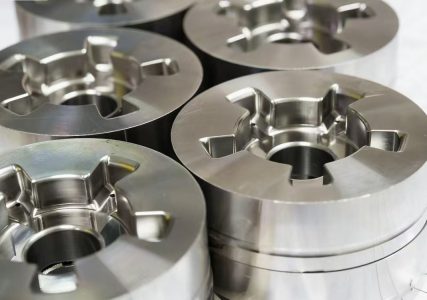
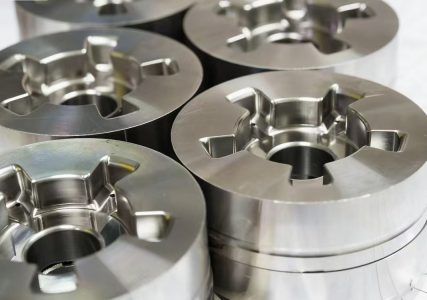
Precision Metal Processing: A Complete Guide to 2026
n the rapidly evolving landscape of modern manufacturing, the demand for components with exact specifications has never been higher. From the smartphones in our pockets to the complex engines in our vehicles, the backbone of these innovations is precision metal processing. As we approach 2026, the industry is witnessing a paradigm shift driven by automation, artificial intelligence, and advanced material sciences.
This guide explores the intricacies of precision machining, the technologies defining the future of manufacturing, and how industries like automotive and medical devices rely on these critical services. Whether you are an engineer sourcing parts or a business owner looking to understand manufacturing capabilities, this article provides a comprehensive overview.
What is Precision Metal Processing?
Precision metal processing refers to the subtractive manufacturing process where raw material is removed to create a custom-designed part or product. Unlike standard machining, precision processing involves tight tolerances—often within microns—and high levels of surface finish quality. It utilizes computer-controlled machine tools to shape metal, plastic, or other materials into complex geometries.
The core objective of this advanced manufacturing technique is consistency and accuracy. In mass production, a deviation of even a fraction of a millimeter can render a batch of products useless. Therefore, this process relies heavily on advanced metrology and quality control systems to ensure that every single component matches the original digital design perfectly.
Key Technologies in Precision Metal Processing
To achieve the high standards required in 2026, manufacturers utilize a variety of sophisticated technologies. These methods are selected based on the material, complexity of the part, and required volume.
CNC Machining (Computer Numerical Control)
CNC machining is the cornerstone of modern precision manufacturing. It involves the use of pre-programmed computer software to dictate the movement of factory tools and machinery. According to industry standards from the Precision Machined Products Association, CNC machining is essential for high-volume production runs that require consistent quality.
●
CNC Milling: Uses rotary cutters to remove material from a workpiece. It is ideal for creating complex shapes, slots, and holes.
●
CNC Turning: The workpiece rotates while a cutting tool moves in a linear motion. This is best for creating cylindrical parts like shafts and bushings.
●
Multi-Axis Machining: Modern 5-axis machines allow for the creation of incredibly complex geometries in a single setup, reducing lead times and increasing accuracy.
Electrical Discharge Machining (EDM)
EDM is a critical subset of advanced manufacturing techniques used for hard metals or those that are difficult to machine with traditional methods. It uses electrical sparks to erode the material into the desired shape. This is particularly useful for creating intricate molds and die-casting tools, as detailed by the Society of Manufacturing Engineers.
Laser Cutting and Waterjet Cutting
For sheet metal processing, high-precision lasers and waterjets provide clean cuts with minimal heat-affected zones. These technologies are essential for industries requiring rapid prototyping and high-volume sheet metal parts.
Industries Relying on Precision Metal Processing
The versatility of precision machining means it serves a vast array of sectors. As technology advances, the requirements for these industries become more stringent.
The Automotive Industry
The automotive sector is a massive consumer of precision manufacturing services. From engine blocks and transmission gears to sensors and electric vehicle (EV) battery components, precision is non-negotiable.
●
Performance: High-performance engines require parts with exact tolerances to ensure efficiency and power.
●
Safety: Brake systems and steering components must be flawless to ensure passenger safety.
●
EV Revolution: As we move through 2026, the shift to electric vehicles demands new types of precision parts, particularly in thermal management and motor housing, as reported by the Society of Automotive Engineers.
Medical and Healthcare
Perhaps no industry requires higher precision than healthcare. Surgical instruments, implants, and diagnostic equipment must be manufactured to biocompatible standards with zero margin for error. Advanced manufacturing ensures that titanium implants fit perfectly within the human body and that surgical robots operate with the necessary dexterity, meeting standards set by the Food and Drug Administration.
Consumer Electronics and Home Appliances
The sleek aluminum chassis of a laptop or the internal gears of a washing machine are results of precision manufacturing. In this sector, aesthetics often combine with functionality, requiring excellent surface finishes and tight dimensional control.
The Role of Injection Molding in Precision Manufacturing
While precision metal processing often refers to subtractive manufacturing (cutting metal), it is intrinsically linked to additive processes like injection molding, especially for mass production.
The Mold-Making Connection
To mass-produce plastic parts—such as car dashboards, medical device casings, or appliance handles—you need high-precision molds. These molds are themselves created using advanced metal processing techniques.
Companies like Huazhi Mould specialize in this exact niche. They design and manufacture injection molds ranging from small, intricate components to large automotive parts. The quality of the final plastic product depends entirely on the precision of the steel mold used to create it. Therefore, a manufacturer capable of high-end metal processing is essential for successful injection molding projects. You can learn more about the specific capabilities of injection molding partners like Huazhi Mould on their official website at Huazhi Mould.
Why Choose Huazhi Mould for Your Projects?
When sourcing precision manufacturing services, selecting the right partner is crucial. Huazhi Mould stands out as a leader in the industry, offering a blend of technical expertise and manufacturing capability.
●
Comprehensive Expertise: Huazhi is not just a machine shop; they are experts in the entire lifecycle of product creation, from mold design to final manufacturing.
●
Advanced Technology: Utilizing the latest CNC machinery and EDM equipment, Huazhi ensures that every mold and part meets international standards.
●
Diverse Industry Experience: With a portfolio spanning automotive, home appliances, and medical devices, Huazhi understands the specific regulatory and quality requirements of different sectors.
●
Scalability: Whether you need a prototype for testing or a large-scale production run, Huazhi has the capacity to deliver.
By integrating precision manufacturing with advanced injection molding capabilities, Huazhi Mould provides a one-stop solution for manufacturers looking to bring high-quality products to market efficiently.
Future Trends: Precision Metal Processing in 2026
As we look toward the future, several trends are shaping the landscape of metal processing.
Smart Manufacturing (Industry 4.0)
Factories are becoming smarter. Machines are now equipped with IoT sensors that monitor tool wear, temperature, and vibration in real-time. This data allows for predictive maintenance, ensuring that precision manufacturing continues without interruption and maintains quality consistency.
Sustainable Machining
Environmental responsibility is a major focus in 2026. Manufacturers are adopting “green machining” practices, such as using biodegradable coolants and optimizing cutting paths to reduce energy consumption and material waste, aligning with sustainability goals outlined by the Environmental Protection Agency.https://www.huazhimould.com
Automation and Robotics
The integration of robotics for loading and unloading materials allows for “lights-out manufacturing,” where production continues 24/7 without human intervention. This significantly lowers costs and increases the speed of delivery for precision manufacturing orders.
Conclusion
Precision metal processing is the silent engine driving modern innovation. From the cars we drive to the medical devices that save lives, the importance of accurate, high-quality metal components cannot be overstated. As we advance through 2026, the integration of AI, automation, and superior engineering will continue to push the boundaries of what is possible.
For businesses seeking excellence, partnering with an experienced provider like Huazhi Mould ensures access to cutting-edge technology and unmatched expertise in mold design and manufacturing.
Ready to elevate your manufacturing standards? Contact Huazhi Mould today to discuss your project requirements and discover how our precision solutions can drive your business forward.
Frequently Asked Questions (FAQ)
https://www.huazhimould.com/wp-admin
1. What is the difference between standard machining and precision metal processing? Standard machining may have looser tolerances suitable for rough construction. Precision metal processing involves much tighter tolerances (often within ±0.005mm or less) and higher surface quality, typically used for aerospace, medical, and automotive components.
2. What materials can be used in precision metal processing? A wide variety of materials can be processed, including aluminum, stainless steel, titanium, brass, copper, and engineering plastics like PEEK or Delrin. The choice depends on the application’s strength and weight requirements.
3. How does Huazhi Mould ensure quality control? Huazhi Mould utilizes advanced inspection equipment, such as Coordinate Measuring Machines (CMM) and digital height gauges, to verify that every part meets the specific design tolerances required for precision manufacturing.
4. Can precision metal processing be used for prototyping? Yes. CNC machining is one of the best methods for rapid prototyping because it uses the same materials as the final production part and offers high accuracy without the need for expensive tooling upfront.
5. What industries benefit most from these services? The primary beneficiaries are the Automotive, Medical, Aerospace, and Consumer Electronics industries, where component failure is not an option and exact specifications are mandatory.