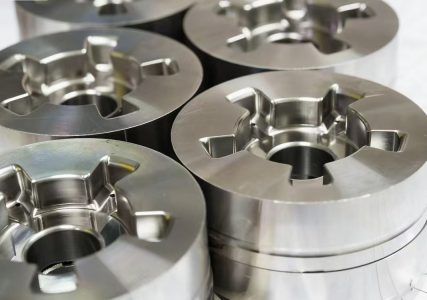
Precision Metal Processing: 2026 Complete Guide to Precision Manufacturing
Precision Metal Processing refers to a set of advanced manufacturing technologies that shape, cut, form, and finish metal materials with extremely tight dimensional tolerances, high surface quality, and consistent mechanical performance. Unlike conventional metalworking, which often focuses on rough forming and basic functionality, Precision Metal Processing emphasizes controllable accuracy, repeatability, and reliability for high‑performance components used in modern industry.
In 2026, Precision Metal Processing has evolved far beyond simple machining. It integrates digital design, intelligent equipment, automated production, closed‑loop quality control, and data‑driven process optimization. It serves as a foundational pillar for industries such as automotive, home appliances, medical devices, consumer electronics, aerospace, and industrial equipment. Without mature Precision Metal Processing, most high‑tech products we rely on daily—from safe medical instruments to efficient automotive powertrains—would not exist at scale or meet global quality standards.
1.2 Why Precision Metal Processing Matters in 2026
The global manufacturing landscape in 2026 is defined by miniaturization, electrification, intelligence, and strict regulatory compliance. These trends directly drive the demand for superior Precision Metal Processing:
Tighter product tolerances: Many components require tolerances from ±0.05 mm down to ±0.001 mm, impossible with traditional methods.
Lightweight & high‑strength materials: Advanced alloys, stainless steel, aluminum, titanium, and copper alloys demand specialized Precision Metal Processing to avoid deformation or material damage.
Mass customization: Short production cycles, flexible lines, and quick mold changes require highly automated Precision Metal Processing systems.
Quality & safety compliance: Medical, automotive, and aerospace sectors enforce zero‑defect goals, which only standardized Precision Metal Processing can achieve consistently.
Cost efficiency: High precision reduces assembly issues, rework, scrap rates, and long‑term warranty costs, making Precision Metal Processing a smart investment rather than an expense.
In short, Precision Metal Processing is no longer optional. It is a competitive necessity for manufacturers aiming to deliver stable, high‑quality parts in global markets.
https://www.huazhimould.com/wp-admin
1.3 Key Performance Indicators (KPIs) in Precision Metal Processing
To evaluate the effectiveness of Precision Metal Processing, industry leaders use clear KPIs:
Dimensional tolerance: Usually ±0.005 mm to ±0.05 mm for critical components
Surface roughness: Ra 0.2 μm to Ra 3.2 μm for smooth, functional surfaces
Repeatability & reproducibility: Consistency across thousands of parts
Material utilization: Reduced waste through near‑net‑shape Precision Metal Processing
Process stability: Controlled via SPC, real‑time monitoring, and automated compensation
Delivery efficiency: Short lead times from design to mass production
These metrics help businesses choose the right Precision Metal Processing partner and ensure end products meet design specifications.
2. Core Technologies & Processes in Modern Precision Metal Processing
2.1 CNC Machining: The Backbone of Precision Metal Processing
CNC (Computer Numerical Control) machining remains the most widely used technology in Precision Metal Processing. It uses pre‑programmed digital instructions to control multi‑axis machines, cutting tools, and motion paths to remove material with exceptional accuracy.
In 2026, CNC systems for Precision Metal Processing feature:
High‑rigidity frames and linear guideways to minimize vibration
Closed‑loop feedback for real‑time error correction
Multi‑tasking machines that combine milling, turning, drilling, and tapping
Adaptive control that adjusts speed and feed based on cutting conditions
Compatibility with hard metals, heat‑resistant alloys, and delicate components
CNC machining delivers unmatched precision for complex 3D shapes, thin walls, deep cavities, and tiny holes. It is indispensable for prototyping, low‑volume production, and high‑precision critical parts in Precision Metal Processing workflows.
https://www.huazhimould.com/wp-admin
Many metal components are produced or semi‑finished through precision molding, which works hand‑in‑hand with Precision Metal Processing. Precision molds ensure consistent shape and dimension before final machining or surface treatment.
For enterprises focusing on both mold making and Precision Metal Processing, this integration creates major advantages:
Unified design logic for mold steel and metal parts
Shorter development cycles from mold to finished component
Higher dimensional stability across batches
Optimized cost structure by reducing secondary operations
This synergy makes Precision Metal Processing more efficient and reliable, especially for high‑volume consumer and automotive parts.
2.3 Laser Processing & Non‑Contact Precision Metal Processing
Laser cutting, engraving, welding, and cleaning have become essential in Precision Metal Processing due to their non‑contact nature and high precision.
Benefits for Precision Metal Processing:
No tool wear or physical force that causes deformation
Extremely narrow kerf and smooth edges with minimal heat‑affected zone
Ability to process micro‑structures and delicate patterns
Compatibility with reflective or hard‑to‑machine metals
High automation for 24/7 production
Laser technology expands the boundaries of Precision Metal Processing, enabling geometries and surface finishes that were once impractical or uneconomical.
2.4 Grinding, Honing & Superfinishing in Precision Metal Processing
For components requiring ultra‑smooth surfaces and sub‑micron accuracy, grinding, honing, lapping, and superfinishing are essential finishing steps in Precision Metal Processing.
These processes:
Improve surface roughness to Ra 0.025 μm or better
Enhance wear resistance, sealing performance, and fatigue strength
Correct minor dimensional errors from earlier stages
Ensure perfect fit and function in high‑speed or high‑pressure assemblies
Such finishing operations elevate Precision Metal Processing from “accurate” to “flawless,” meeting the strictest standards in medical and aerospace applications.
2.5 Automated Inspection & Quality Assurance for Precision Metal Processing
Quality control is inseparable from Precision Metal Processing. Modern quality systems use:
Coordinate Measuring Machines (CMM)
Vision inspection systems
Laser scanning and 3D profilometers
In‑line sensors for real‑time monitoring
AI‑driven defect recognition
Automated inspection ensures every batch complies with Precision Metal Processing standards, drastically reducing human error and supporting full traceability required by medical and automotive industries.
3. Materials Used in Precision Metal Processing
3.1 Common Metals & Alloys for Precision Metal Processing
Precision Metal Processing supports a vast material library to meet diverse industry needs:
Aluminum alloys: Lightweight, good thermal conductivity, easy to machine; widely used in electronics, home appliances, and automotive parts
Stainless steel (304, 316, 420, 17‑4PH): Corrosion‑resistant, strong, hygienic; ideal for medical devices, food equipment, and marine components
Carbon steel & alloy steel: High strength, wear resistance; used in gears, shafts, and structural parts
Copper & brass: Excellent electrical and thermal conductivity; essential for connectors, terminals, and heat sinks
Titanium alloys: High strength‑to‑weight ratio, biocompatible; used in aerospace and implantable medical devices
Each material demands tailored Precision Metal Processing parameters—cutting speed, feed, tool selection, cooling, and clamping—to avoid distortion, hardening, or surface defects.
3.2 Material Selection Principles for Precision Metal Processing
When choosing materials for Precision Metal Processing, engineers consider:
Machinability and compatibility with Precision Metal Processing tools
Dimensional stability during processing and heat treatment
Cost, availability, and regulatory compliance (e.g., biocompatibility, RoHS)
Smart material selection improves the success rate of Precision Metal Processing and lowers overall production cost without sacrificing performance.
4. Applications of Precision Metal Processing Across Key Industries
4.1 Precision Metal Processing in the Automotive Industry
Automotive manufacturing relies heavily on Precision Metal Processing for both traditional and electric vehicles:
Engine, transmission, and chassis components
EV battery parts, motor housings, and cooling plates
Sensors, connectors, and electronic brackets
Brake system parts and fuel injection components
Precision Metal Processing improves fuel efficiency, extends service life, enhances safety, and supports lightweight design goals. Tight tolerances reduce noise, vibration, and harshness (NVH) while boosting reliability.
4.2 Precision Metal Processing in Home Appliances
Home appliances demand both functional precision and attractive appearance, making Precision Metal Processing critical:
Internal brackets, gears, and shafts for motors and actuators
Heat‑exchange components for refrigeration and air conditioning
Housing parts, control panels, and decorative metal details
High‑precision valves and flow regulators
Precision Metal Processing ensures quiet operation, long durability, energy efficiency, and consistent aesthetic quality across millions of units.
4.3 Precision Metal Processing in Medical Devices
Medical devices require the highest level of precision, hygiene, and biocompatibility—all delivered by Precision Metal Processing:
Surgical instruments and handheld tools
Implantable components and prosthetics
Diagnostic and therapeutic equipment parts
Stainless steel housings and structural components
Precision Metal Processing follows strict cleanroom standards, full traceability, and zero‑defect targets to protect patient safety and meet global regulatory certifications.
4.3 Precision Metal Processing in Electronics & Consumer Devices
Miniaturization and high performance in electronics depend on advanced Precision Metal Processing:
Thin‑wall metal casings and frames
Micro‑connectors, pins, and lead frames
Heat sinks and electromagnetic shielding parts
High‑precision structural components for wearables and mobile devices
Precision Metal Processing enables smaller, lighter, more reliable devices with better heat dissipation and signal integrity.
5. Trends Shaping Precision Metal Processing in 2026
5.1 Digitalization & Smart Manufacturing in Precision Metal Processing
In 2026, Precision Metal Processing is deeply digital:
CAD/CAM/CAE integration for simulation‑driven process design
Digital twins to monitor and optimize production virtually
IoT sensors collecting real‑time data on tool wear, temperature, and vibration
Cloud‑based management for remote monitoring and global coordination
Smart factories make Precision Metal Processing more stable, transparent, and responsive to customer demand.
5.2 Automation & Unmanned Production in Precision Metal Processing
Automation is transforming Precision Metal Processing:
Robotic loading, unloading, and tool changing
AGVs and flexible manufacturing systems (FMS)
Automatic inspection and sorting
24‑hour unmanned shifts for stable, high‑volume output
Automation reduces labor cost, improves consistency, and accelerates delivery in Precision Metal Processing.
5.3 High‑Precision & Micro‑Precision Metal Processing
Demand for micro‑components is booming, pushing Precision Metal Processing to smaller scales:
Sub‑micron tolerances
Micro‑holes, micro‑slots, and micro‑structured surfaces
Miniaturized parts for medical, electronics, and aerospace
Specialized micro‑machining tools and ultra‑stable machines
Micro‑Precision Metal Processing opens new possibilities in cutting‑edge tech sectors.
5.4 Green & Sustainable Precision Metal Processing
Sustainability is no longer optional in Precision Metal Processing:
High‑efficiency motors and intelligent energy management
Near‑net‑shape processes to cut material waste
Recyclable coolants and dust collection systems
Reduced carbon footprint through optimized paths
Eco‑friendly Precision Metal Processing meets global ESG requirements and lowers long‑term operational costs.
6. How to Choose a Reliable Precision Metal Processing Partner
6.1 Core Capabilities to Evaluate in Precision Metal Processing Providers
When selecting a Precision Metal Processing supplier, verify these strengths:
Technical expertise: DFM analysis, process development, material knowledge
Quality system: ISO 9001, IATF 16949, ISO 13485 (medical) certifications
Flexible capacity: From prototyping to mass production
Integrated services: One‑stop from design to finished parts
Stable delivery and after‑sales support
A strong partner ensures your Precision Metal Processing projects run smoothly from start to finish.
6.2 Why Choose Huazhi Mould for Your Precision Metal Processing
Huazhi Mould is a professional enterprise specializing in the design and manufacturing of small‑to‑large injection molds and integrated Precision Metal Processing solutions. With years of innovation, we serve automotive, home appliance, medical device, and consumer electronics markets with reliable, high‑precision components.
Reasons to partner with Huazhi Mould for Precision Metal Processing:
Advanced technology base: We continuously invest in state‑of‑the‑art CNC, laser, and molding equipment to maintain industry‑leading precision.
Cross‑industry experience: Deep understanding of automotive, home appliance, and medical requirements helps us optimize Precision Metal Processing for your specific application.
One‑stop service: From mold design to metal processing, surface treatment, and assembly, we simplify your supply chain and reduce coordination risk.
Strict quality control: Full inspection and traceability ensure every batch meets your Precision Metal Processing standards.
Flexible production: Support for prototype development, small batches, and high‑volume mass production to match your project lifecycle.
Customer‑centric support: Professional technical team provides DFM suggestions, cost optimization, and on‑time delivery to maximize your product value.
Whether you need complex metal components, high‑precision molds, or complete Precision Metal Processing solutions, Huazhi Mould delivers consistent quality and competitive costs. Learn more about our capabilities at our official site: https://www.huazhimould.com/wp‑admin.
7. Conclusion
Precision Metal Processing is a cornerstone of modern advanced manufacturing, enabling high performance, reliability, and safety across automotive, home appliance, medical, electronics, and many other industries. As we move further into 2026, Precision Metal Processing will continue evolving with digitalization, automation, miniaturization, and sustainability, becoming even more precise, efficient, and eco‑friendly.
For businesses aiming to improve product quality, reduce costs, and strengthen global competitiveness, mastering and applying high‑level Precision Metal Processing is essential. Choosing a professional, experienced, and technically strong partner like Huazhi Mould ensures your components are manufactured with the highest precision, stability, and efficiency.
If you’re looking for a trusted Precision Metal Processing and mold manufacturing partner to support your new project or upgrade your current supply chain, contact Huazhi Mould today. Let’s discuss your needs and create high‑precision, cost‑effective solutions tailored to your business.
FAQ: Frequently Asked Questions About Precision Metal Processing
Q1: What is the typical tolerance range in professional Precision Metal Processing?
Professional Precision Metal Processing usually achieves ±0.005 mm to ±0.05 mm for most metal parts. For ultra‑precision applications, tolerances can reach ±0.001 mm or smaller based on material, size, and process.
Q2: How long does a typical Precision Metal Processing project take?
Lead times vary by complexity, quantity, and process. Simple parts may take 3–7 days; complex components with multi‑step Precision Metal Processing may take 15–30 days including mold, machining, surface treatment, and inspection.
Q3: What materials can be used in Precision Metal Processing?
Almost all common metals and alloys are suitable, including aluminum, stainless steel, carbon steel, copper, brass, titanium, and high‑performance specialty alloys. The process is adjusted during Precision Metal Processing to match material properties.
Q4: Is Precision Metal Processing suitable for small‑batch orders?
Yes. Modern flexible equipment and automated setup make Precision Metal Processing economical for prototypes, small batches, and mass production.
Q5: Do you provide design support for Precision Metal Processing?
Yes. Huazhi Mould offers DFM (Design for Manufacturing) analysis, structure optimization, and material suggestions to improve Precision Metal Processing efficiency, reduce cost, and ensure quality.
Q6: What quality certifications do you have for Precision Metal Processing?
We maintain strict quality management systems, including ISO 9001 and industry‑specific certifications, ensuring every step of Precision Metal Processing meets international standards.
Q7: Can you handle both mold making and Precision Metal Processing?
Yes. Huazhi Mould specializes in mold design and manufacturing plus comprehensive Precision Metal Processing, providing one‑stop service for plastic and metal components.