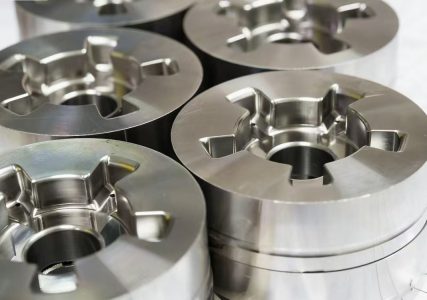
What is Precision Metal Processing? A Complete Guide to 2026
In the rapidly evolving landscape of industrial production, the term Precision Metal Processing has become a buzzword synonymous with quality, reliability, and innovation. But what exactly does it entail? At its core, Precision Metal Processing refers to the intricate art and science of transforming raw metal materials into complex, high-tolerance components used in everything from the automotive industry to life-saving medical devices.
As we step into 2026, the demand for tighter tolerances and more complex geometries has never been higher. Whether you are an engineer sourcing parts for a new medical device or a project manager overseeing an automotive assembly line, understanding the nuances of Precision Metal Processing is crucial. This comprehensive guide will walk you through the definition, the various techniques involved, and why choosing the right partner is the key to your project’s success.https://www.huazhimould.com
What is Precision Metal Processing?
To truly grasp the significance of this field, we must first define it. Precision Metal Processing is not just a single process; it is an umbrella term covering a wide range of manufacturing techniques used to shape metal with extreme accuracy. Unlike traditional machining, which might allow for loose tolerances, Precision Metal Processing operates on a microscopic level, often holding tolerances within microns (0.001mm).
This level of accuracy is non-negotiable in critical industries. For instance, in the medical field, a hip replacement implant requires a surface finish and dimensional accuracy that only advanced Precision Metal Processing can provide. Similarly, in the automotive sector, fuel injection systems rely on precisely machined nozzles to function efficiently.
The goal of Precision Metal Processing is simple: to remove the variables. By utilizing Computer Numerical Control (CNC) technology and rigorous quality control, manufacturers ensure that every single part produced is an identical twin of the last.
The Evolution of Precision Metal Processing: Trends for 2026
As we look at the trajectory of this industry, several key trends are shaping the future of Precision Metal Processing in 2026.
The Rise of Smart Factories: The integration of IoT (Internet of Things) sensors into machining centers allows for real-time monitoring of the Precision Metal Processing environment. This means that if a tool starts to wear down, the system can adjust automatically or alert the operator before a defective part is made.
Sustainable Processing: Environmental concerns are driving innovation. Modern Precision Metal Processing facilities are focusing on reducing coolant usage and recycling metal shavings (swarf) to minimize waste.
Additive and Subtractive Hybridization: While traditional Precision Metal Processing is subtractive (removing material), 2026 sees a rise in hybrid machines that combine 3D printing with milling. This allows for the creation of complex internal geometries that were previously impossible.
These trends highlight that Precision Metal Processing is not a static field; it is a dynamic industry constantly pushing the boundaries of what is physically possible with metal.
Key Techniques Used in Precision Metal Processing
There are several distinct methods that fall under the umbrella of Precision Metal Processing. Each technique serves a specific purpose and is chosen based on the material, complexity, and required volume of the part.
CNC Milling and Turning
This is the most common form of Precision Metal Processing. CNC (Computer Numerical Control) milling involves rotating a cutting tool and moving it across a stationary workpiece to remove material. CNC turning, on the other hand, rotates the workpiece against a stationary cutting tool (typically done on a lathe).
For high-volume production of symmetrical parts, CNC turning is the backbone of Precision Metal Processing. It allows for the rapid creation of complex cylindrical shapes with incredible consistency.
Electrical Discharge Machining (EDM)
When traditional cutting tools cannot handle the hardness of a material, Precision Metal Processing turns to Electrical Discharge Machining. Also known as “spark machining,” EDM uses electrical sparks to erode material from the workpiece. This technique is essential for processing superalloys used in aerospace applications, where traditional drills would simply shatter.
Surface Grinding
Achieving a perfectly flat surface is a challenge in metalwork. Surface grinding is a finishing Precision Metal Processing technique that uses a rotating abrasive wheel to smooth the surface of metallic and non-metallic materials. This is critical for components like gauge blocks or optical mounts where flatness is measured in millionths of a meter.
Wire EDM
A specialized subset of EDM, Wire EDM uses a thin, electrically charged wire to cut through metal. This is particularly useful in Precision Metal Processing for creating intricate shapes and sharp internal corners that cannot be achieved with a standard milling cutter.
Why Tolerances Matter in Precision Metal Processing
In the world of Precision Metal Processing, tolerance is king. Tolerance refers to the allowable limit or range of variation in a physical dimension. In layman’s terms, it is the margin of error.
Standard machining might have a tolerance of ±0.1mm, which is sufficient for a garden shed hinge. However, in Precision Metal Processing, tolerances are often held to ±0.005mm or even tighter. To put this into perspective, a human hair is about 0.08mm thick. Precision Metal Processing can achieve tolerances ten times smaller than that.
Why does this matter?
Interchangeability: In mass production, every screw, bolt, or gear must fit perfectly. If one part is oversized due to loose Precision Metal Processing tolerances, the entire assembly line stops.
Functionality: In hydraulic systems, a piston that is even a micron too large can cause friction and overheating. Precision Metal Processing ensures that moving parts function seamlessly.
Safety: In the medical and aerospace sectors, failure is not an option. The strict tolerances of Precision Metal Processing guarantee that safety-critical components will perform as designed under extreme stress.
Materials Used in Precision Metal Processing
The versatility of Precision Metal Processing is evident in the wide array of materials it can handle. From soft aluminum to exotic superalloys, the right Precision Metal Processing technique can shape almost any metal.
Here is a breakdown of common materials and their applications in Precision Metal Processing:
表格
Material Category
Examples
Typical Applications in Precision Metal Processing
Aluminum Alloys
6061, 7075
Automotive parts, enclosures, heat sinks. Popular due to ease of machining.
Stainless Steel
303, 304, 316
Medical instruments, food processing equipment, marine hardware.
Titanium
Grade 2, Grade 5
Aerospace components, medical implants. Requires specialized Precision Metal Processing tools due to high strength.
Insulators, wear strips, non-conductive components. Often processed alongside metals.
Choosing the right material is the first step in any Precision Metal Processing project. The material dictates the speed of the machine, the type of coolant used, and the overall cost of production.
The Role of Quality Control in Precision Metal Processing
You cannot manage what you cannot measure, and this is especially true for Precision Metal Processing. A state-of-the-art machine is only as good as its quality control system.
Modern Precision Metal Processing facilities utilize a battery of inspection tools:
Coordinate Measuring Machines (CMM): These are the gold standard. A CMM uses a probe to measure the physical geometrical characteristics of a part. It verifies that the part matches the CAD model down to the micron.
Optical Comparators: These project a magnified shadow of the part onto a screen, allowing inspectors to compare it against a tolerance template.
Surface Roughness Testers: For applications where friction is a concern, measuring the surface finish (Ra value) is a critical part of Precision Metal Processing quality control.
This rigorous inspection process ensures that when a customer receives a part, it is not just “close enough”—it is perfect. Adhering to international standards, such as the ISO 2768 standard for general tolerances, is often a requirement for high-level Precision Metal Processing contracts.
Applications of Precision Metal Processing Across Industries
The impact of Precision Metal Processing is global and spans virtually every high-tech sector.
The Automotive Industry
From the engine block to the intricate sensors in your dashboard, Precision Metal Processing is everywhere in a car. Modern vehicles require thousands of precision-machined parts to function. As the industry shifts towards electric vehicles (EVs), the demand for Precision Metal Processing of battery casings and motor components is skyrocketing.
Medical and Healthcare
This is perhaps the most critical application of Precision Metal Processing. Surgical instruments, MRI machine components, and orthopedic implants require a level of sterility and precision that only this technology can deliver. A hip stem implant must fit perfectly into the femur, and Precision Metal Processing ensures that fit is flawless.
Consumer Electronics
Your smartphone is a marvel of Precision Metal Processing. The aluminum chassis, the tiny screws, and the connectors inside are all products of high-precision machining. The trend towards smaller, thinner devices is driving the need for even more advanced Precision Metal Processing techniques.
Aerospace and Defense
Jet engines operate at extreme temperatures and pressures. The turbine blades are a feat of Precision Metal Processing, often featuring complex cooling channels that can only be created with advanced 5-axis machining centers.
Why Choose HUAZHI Mould for Your Precision Metal Processing Needs?
While Precision Metal Processing focuses on the metal components, the molds that shape the plastic parts in your products require the same level of precision. HUAZHI Mould is a company that understands this intersection of metal and plastic perfectly.
HUAZHI Mould is a professional enterprise dedicated to the design and manufacture of injection molds, ranging from small to large sizes. We utilize the latest technology in Precision Metal Processing to craft the molds that produce the plastic parts you see in cars, home appliances, and medical devices.
Here is why HUAZHI stands out:
Cutting-Edge Technology: We invest in the latest CNC and EDM machines to ensure our molds are crafted with micron-level accuracy.
Industry Expertise: Our experience spans the automotive, home appliance, and medical series. We understand the specific tolerances required for each sector.
One-Stop Solution: Whether you need the mold made (via Precision Metal Processing) or the plastic parts produced, we offer a comprehensive service.
By choosing HUAZHI, you are choosing a partner that treats your project with the same level of care and precision that defines the best practices in Precision Metal Processing. For our partners and clients, we offer a streamlined digital experience. You can access our project management portal via the Huazhi Mould Admin Portal to track your orders and view inspection reports in real-time.
Frequently Asked Questions (FAQ)
Q1: What is the difference between standard machining and Precision Metal Processing? Standard machining typically allows for looser tolerances (±0.1mm or more) and is used for non-critical parts. Precision Metal Processing, however, holds tolerances to ±0.005mm or tighter. It is used for components where failure is not an option, such as in medical devices or aerospace engineering.
Q2: What materials can be used in Precision Metal Processing? Precision Metal Processing is incredibly versatile. We commonly work with aluminum, stainless steel, titanium, brass, copper, and even engineering plastics like PEEK. The choice depends on the application’s strength, weight, and corrosion resistance requirements.
Q3: How do I know if my project needs Precision Metal Processing? If your part has tight tolerances (less than 0.01mm), requires a specific surface finish, or is used in a safety-critical application (like automotive brakes or medical tools), then Precision Metal Processing is essential.
Q4: What is the typical lead time for a Precision Metal Processing project? Lead times vary depending on complexity and material availability. Simple parts can be turned around in days, while complex molds or aerospace components may take several weeks. At HUAZHI, we provide realistic timelines based on your specific design.
Conclusion
In conclusion, Precision Metal Processing is the invisible force driving the modern world. It is the reason your car starts every time, your medical devices work flawlessly, and your electronics are so compact. As we move further into 2026, the standards for accuracy will only become stricter, and the technology will continue to evolve.
Understanding the “what” and “how” of Precision Metal Processing empowers you to make better decisions for your manufacturing needs. Whether you are looking to source individual metal components or require the design and manufacturing of complex injection molds for plastic parts, the principles of precision remain the same.
If you are facing a manufacturing challenge that requires the highest level of accuracy, do not settle for anything less than excellence. Contact HUAZHI Mould today to discuss how our expertise in mold design and Precision Metal Processing can bring your vision to life. Let us be your partner in precision.