
Precision Metal Processing Guide 2026: Expert Insights
In the high-stakes world of modern engineering, the margin for error is microscopic. Whether you are designing a critical component for a medical device or a structural part for the automotive industry, the term Precision Metal Processing has likely crossed your desk. But what does it truly mean in 2026?
At its core, Precision Metal Processing is the art and science of transforming raw metal into components with exacting specifications. It is the difference between a part that merely fits and a part that functions flawlessly under extreme stress. As technology advances, so do the standards for accuracy, material science, and production speed.
This guide will demystify the complex world of Precision Metal Processing. We will explore the technologies driving the industry forward, the materials involved, and how to ensure your next project meets the highest standards of quality.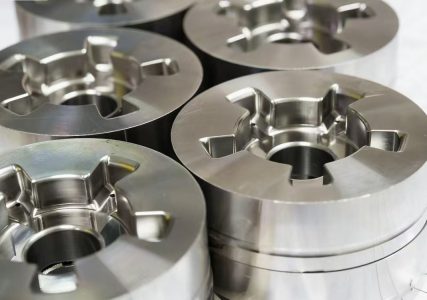
Understanding the Core: What is Precision Metal Processing?
Precision Metal Processing is not just about cutting metal; it is about controlling it. It refers to a suite of manufacturing processes where raw metal stock is shaped and formed into specific geometries with incredibly tight tolerances—often within a few microns.
Unlike traditional machining, which might focus on general shaping, Precision Metal Processing demands absolute consistency. It involves removing excess material through various methods to achieve the desired final shape. This discipline is vital for industries where failure is not an option, such as aerospace, medical technology, and high-performance automotive sectors.
In 2026, this field has evolved to include not just the physical act of machining but also the digital workflows that support it. From CAD/CAM design to automated quality control, Precision Metal Processing is a holistic approach to manufacturing excellence.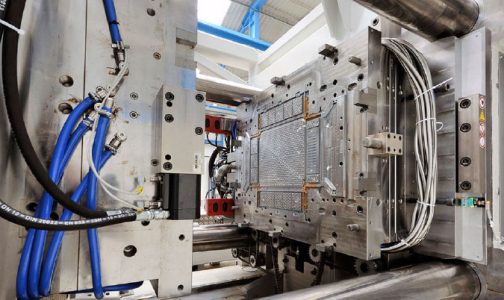
The Evolution of Manufacturing: Trends in 2026
The landscape of Precision Metal Processing is changing rapidly. As we move deeper into the 2020s, several key trends are defining what it means to be a precision manufacturer.
- Smart Manufacturing and IoT: The factory floor is getting smarter. Modern machines are equipped with sensors that feed data back to central systems. This allows for predictive maintenance and real-time adjustments during Precision Metal Processing, ensuring that every single part meets the required specifications without human intervention.
- Sustainability: The industry is shifting towards “green” machining. This involves using minimum quantity lubrication (MQL) systems and recycling chips to reduce waste. In 2026, a commitment to sustainable Precision Metal Processing is not just good for the planet; it is good for the bottom line.
- Multi-Axis Machining: The standard 3-axis machines are being rapidly replaced by 4-axis and 5-axis centers. This allows for complex geometries to be machined in a single setup, drastically reducing the chance of error and improving the surface finish of the final product.
The Pillars of Excellence: Key Techniques
To achieve true precision, manufacturers rely on a variety of specialized techniques. Each method serves a specific purpose, and the best results come from knowing which tool to use for which job.
1. CNC Machining: The Industry Standard
Computer Numerical Control (CNC) machining remains the backbone of Precision Metal Processing. By utilizing pre-programmed software, CNC machines control the movement of complex machinery. In 2026, CNC machining has become synonymous with versatility, capable of handling everything from aluminum to exotic superalloys with micron-level accuracy. It is the go-to solution for both prototyping and large-scale production.
Computer Numerical Control (CNC) machining remains the backbone of Precision Metal Processing. By utilizing pre-programmed software, CNC machines control the movement of complex machinery. In 2026, CNC machining has become synonymous with versatility, capable of handling everything from aluminum to exotic superalloys with micron-level accuracy. It is the go-to solution for both prototyping and large-scale production.
2. Swiss Machining: For the Microscopic
When parts are incredibly small and require extreme precision (such as those used in medical implants), Swiss machining is the answer. This technique supports the bar stock very close to the cutting zone, minimizing vibration. It allows for the production of delicate, intricate parts that standard CNC machines simply cannot touch, making it a vital subset of Precision Metal Processing.
When parts are incredibly small and require extreme precision (such as those used in medical implants), Swiss machining is the answer. This technique supports the bar stock very close to the cutting zone, minimizing vibration. It allows for the production of delicate, intricate parts that standard CNC machines simply cannot touch, making it a vital subset of Precision Metal Processing.
3. EDM (Electrical Discharge Machining): Shaping the Hard
Sometimes, metals are too hard for traditional cutting tools. EDM uses electrical sparks to erode material, allowing for the creation of complex shapes in hardened steel or exotic conductive materials. This is a vital technique for creating molds and dies, proving that Precision Metal Processing isn’t limited to just cutting—it can also involve controlled erosion.
Sometimes, metals are too hard for traditional cutting tools. EDM uses electrical sparks to erode material, allowing for the creation of complex shapes in hardened steel or exotic conductive materials. This is a vital technique for creating molds and dies, proving that Precision Metal Processing isn’t limited to just cutting—it can also involve controlled erosion.
Why Materials Matter in Precision Metal Processing
The choice of material is as critical as the choice of machine. Different applications require different properties, and a skilled processor must understand the metallurgy behind the metal.
表格
| Material Type | Common Applications | Key Characteristics |
|---|---|---|
| Stainless Steel | Medical devices, Food processing | Corrosion resistance, High strength |
| Aluminum Alloys | Aerospace, Automotive | Lightweight, Excellent thermal conductivity |
| Titanium | Aviation, Biomedical | High strength-to-weight ratio, Biocompatibility |
| Brass & Copper | Electrical components, Plumbing | High electrical conductivity, Malleability |
The HUAZHI Advantage: Why Choose Us?
In a crowded market, HUAZHI Mold stands out by combining cutting-edge technology with decades of engineering wisdom. We are not just a vendor; we are a partner in your product development lifecycle.
Unmatched Technological Capabilities
We invest heavily in the latest machinery to ensure that your project is handled with the utmost care. Our facility is equipped with state-of-the-art 5-axis machining centers and automated inspection systems. This technological edge allows us to offer services that go beyond simple Precision Metal Processing to full-scale project management.
We invest heavily in the latest machinery to ensure that your project is handled with the utmost care. Our facility is equipped with state-of-the-art 5-axis machining centers and automated inspection systems. This technological edge allows us to offer services that go beyond simple Precision Metal Processing to full-scale project management.
A Culture of Zero Defects
Quality is not an afterthought at HUAZHI; it is our religion. We operate under strict ISO standards, utilizing Coordinate Measuring Machines (CMM) to verify every dimension of every part. We believe that in industries like automotive and medical, there is no room for error. Our commitment to quality ensures that you receive parts that are perfect the first time, every time.
Quality is not an afterthought at HUAZHI; it is our religion. We operate under strict ISO standards, utilizing Coordinate Measuring Machines (CMM) to verify every dimension of every part. We believe that in industries like automotive and medical, there is no room for error. Our commitment to quality ensures that you receive parts that are perfect the first time, every time.
Seamless Project Management
We understand that time is money. Our dedicated project managers work closely with you from the initial design phase to the final delivery. We utilize advanced software to simulate the Precision Metal Processing workflow, identifying potential issues before a single chip is cut. This proactive approach saves you time and reduces costly prototyping iterations.
We understand that time is money. Our dedicated project managers work closely with you from the initial design phase to the final delivery. We utilize advanced software to simulate the Precision Metal Processing workflow, identifying potential issues before a single chip is cut. This proactive approach saves you time and reduces costly prototyping iterations.
If you are looking for a partner who treats your project as if it were their own, look no further. We invite you to explore our capabilities and see how we can help you achieve your manufacturing goals. .
Frequently Asked Questions (FAQ)
Q1: What is the typical lead time for a Precision Metal Processing project?
Lead times vary depending on the complexity and volume of the order. However, thanks to our streamlined workflow and in-house tooling capabilities, we typically offer lead times that are 20-30% faster than industry averages. We provide a detailed timeline during the initial consultation.
Lead times vary depending on the complexity and volume of the order. However, thanks to our streamlined workflow and in-house tooling capabilities, we typically offer lead times that are 20-30% faster than industry averages. We provide a detailed timeline during the initial consultation.
Q2: Can you handle both prototyping and mass production?
Absolutely. We specialize in a seamless transition from prototype to production. Whether you need a single prototype for testing or a run of 100,000 units, our Precision Metal Processing facilities are equipped to scale with your needs without compromising on quality.
Absolutely. We specialize in a seamless transition from prototype to production. Whether you need a single prototype for testing or a run of 100,000 units, our Precision Metal Processing facilities are equipped to scale with your needs without compromising on quality.
Q3: What file formats do you accept for design?
We accept a wide range of CAD and 3D file formats, including STEP, IGES, SolidWorks, AutoCAD, and PDF. Our engineering team will review your files to ensure manufacturability before processing begins.
We accept a wide range of CAD and 3D file formats, including STEP, IGES, SolidWorks, AutoCAD, and PDF. Our engineering team will review your files to ensure manufacturability before processing begins.
Conclusion
As we navigate the complexities of 2026, the importance of reliable, high-quality Precision Metal Processing cannot be overstated. It is the foundation upon which modern technology is built. By choosing a partner like HUAZHI Mold, you are not just outsourcing a job; you are investing in peace of mind.
Don’t let manufacturing challenges slow down your innovation. Contact us today to discuss your next project and discover how our expertise can turn your designs into reality.